
Why British Science Week still matters
British Science Week is one of those dates that pops up on the calendar and suddenly everyone realises they need something “science-y” by next Tuesday.
But here’s the thing: it didn’t start as a scramble for poster templates or baking-soda volcanoes. It started as a way to make science feel accessible, human and part of everyday life.
And that part is still the key.
How it all began
The history of British Science Week actually goes back to 1994, when it launched as “National Science Week.” The aim was simple: open up science so it wasn’t locked inside labs or textbooks.
Schools, universities and community groups began running events to show that science isn’t just for scientists. Over time, it expanded, evolved and became British Science Week — now a UK-wide celebration every March, bringing together schools, families and organisations to explore science in ways that feel hands-on and relevant.
What’s interesting is that the early events weren’t about cramming more content in. They were about sparking conversations. Public talks. Demonstrations. Real-world links. It was about curiosity before curriculum pressure crept in.
The myth about celebrating British Science Week
Here’s the myth: you need a giant experiment, loads of equipment or a full timetable collapse to celebrate properly.
You don’t.
The most effective British Science Week activities are usually the simplest. A mystery object that pupils have to identify. A real-world problem they have to solve. A 15-minute investigation where the outcome isn’t obvious.
In fact, short, focused enquiry tasks often create more engagement than full “Science Day” overhauls. Children don’t need spectacle. They need ownership.
If you want practical ideas that actually work:
Start each day with one unusual object and one question.
Turn a corridor into a “curiosity wall” where pupils pin questions.
Run a 30-minute mini investigation instead of an all-day event.
Link science to something real: sport reaction times, food science, environmental choices.
Keep it tight. Keep it curious.
If you want to take it further
If you want British Science Week to feel genuinely memorable without adding hours of prep, that’s exactly why we built our immersive workshops.
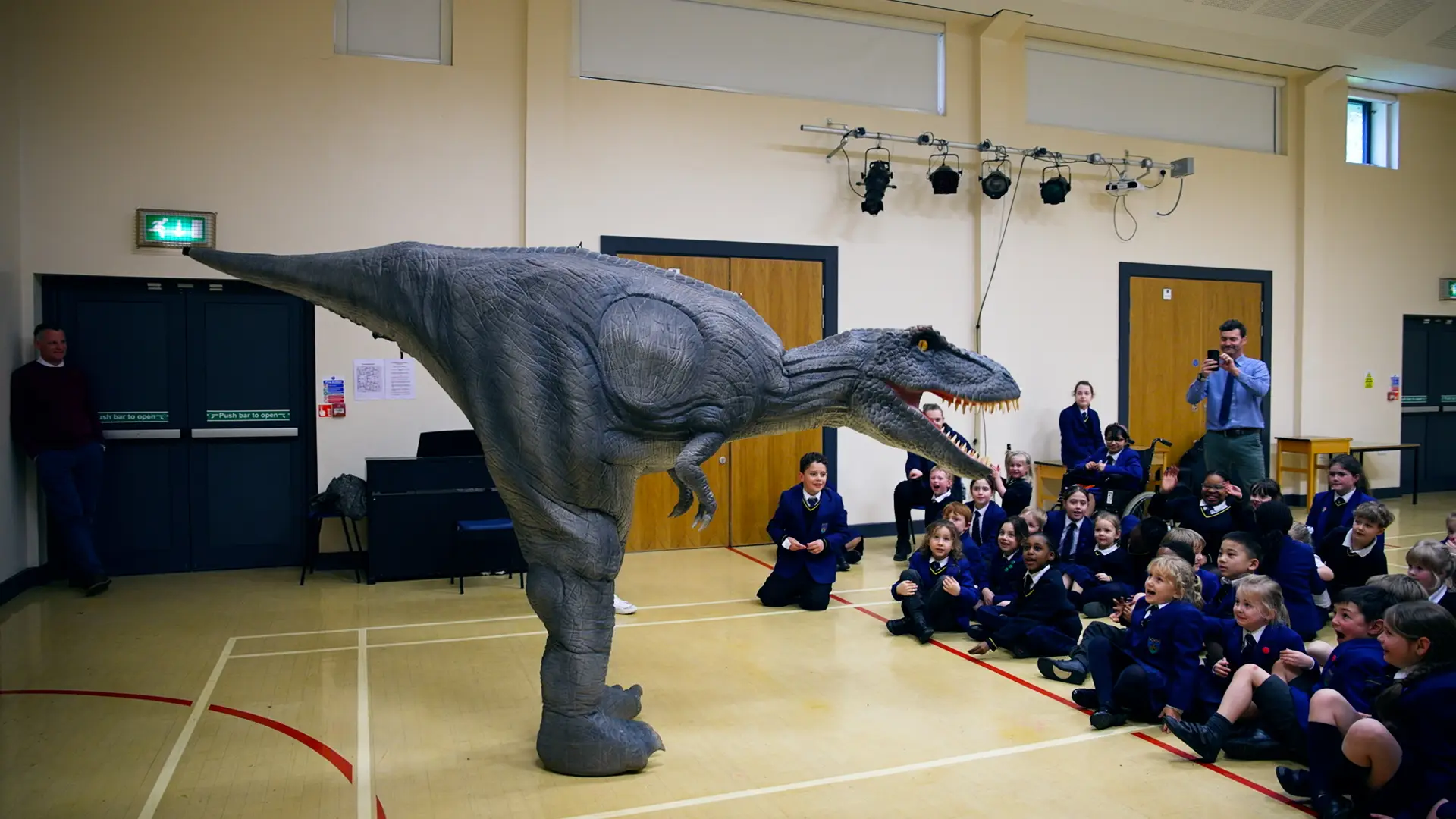
Whether it’s stepping inside the human body in VR, solving a CSI-style investigation, or exploring dinosaurs through hands-on storytelling, the aim is always the same: make science feel close and real.
If you’re planning ahead for British Science Week, you can explore the available workshops here and see what fits your school best.
Because when science feels like something pupils can step into, not just read about, that’s when it sticks.