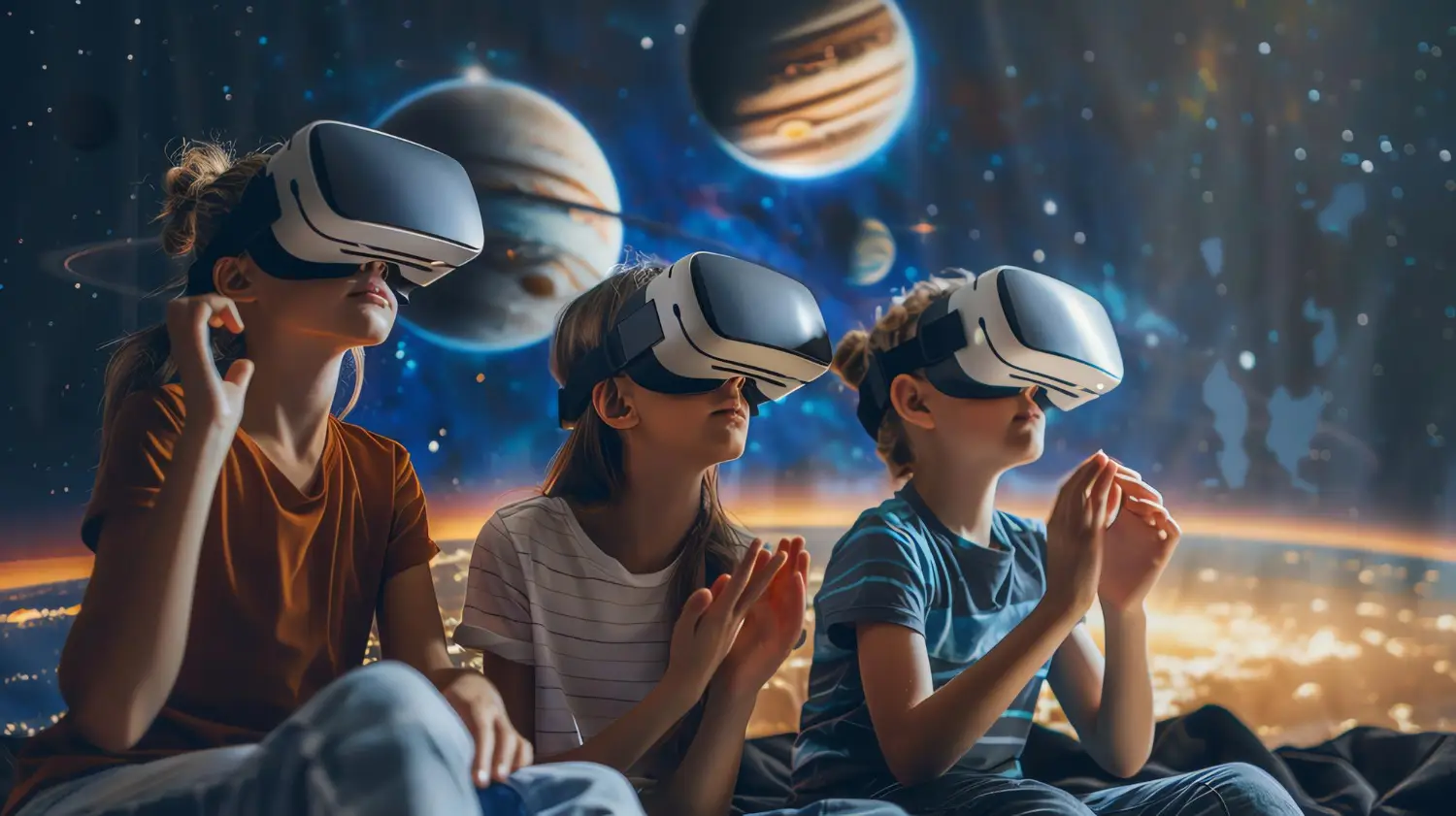
Virtual Reality is changing how children learn. Instead of just reading or listening, students can now explore new environments, interact with content, and connect ideas in a far more engaging way. Through VR, lessons come to life, letting children go on adventures through time, enter space, dive under the sea, and even travel inside the human body. For schools in Northamptonshire, this kind of learning experience is no longer something far off in the future. It’s here right now and it’s already making a difference.
Northampton primary schools looking to spark excitement in subjects like science, geography, and history should be thinking about how to bring VR learning to their classrooms. It’s not about replacing teachers. It’s about giving them fresh tools to help students understand topics better. Combined with hands-on activities, VR helps create rich, memorable learning experiences, especially for young learners who thrive on fun and interaction.
The Benefits Of VR In Education
Classroom learning doesn’t always have to stick to books and whiteboards. With VR, learning can feel more like exploring. It encourages kids to look around, move, ask questions, and build a better picture of what they’re studying.
Here are a few ways VR helps:
- Stronger engagement
Children are naturally curious, so being able to see a beating human heart in 3D or walk through ancient ruins gets them locked in quickly. It grabs their attention and holds it longer than traditional methods.
- Better understanding
VR makes abstract ideas more real. Seeing the solar system move or following the path of oxygen through lungs gives concepts physical space to live and breathe.
- Hands-on feeling
Even though it’s virtual, it doesn’t feel like it. Many VR workshops include movement and interaction, which means children learn by doing, not just watching.
- Memorable learning
Experiences like these stay with children. When they engage their senses, memory improves. Ask a pupil a week later what they learned, and they’re likely to remember, because they didn’t just hear it or read it, they experienced it.
Take a topic like the digestive system. A standard diagram can only cover the basics. But when a pupil follows food from the mouth to the stomach in 3D, sees enzymes at work, and watches nutrients being absorbed, everything becomes clearer. For children who struggle with textbooks, that kind of interactive journey opens up understanding.
VR also supports teamwork. Many sessions involve students collaborating, sharing observations, and solving challenges together. That builds confidence, communication skills, and deeper learning in a natural way.
VR doesn’t just support improved learning. It makes children want to learn. That mindset alone can reshape an ordinary day into something special.
VR Learning In Northamptonshire: Current Trends And Future Potential
Across Northampton, more schools are welcoming immersive learning tools. While some digital resources are still being tested, interest in VR is growing steadily, especially when it comes to teaching younger pupils in a fun, engaging way. Teachers are always on the lookout for tools that make lessons more memorable, and VR is proving to fit that need well.
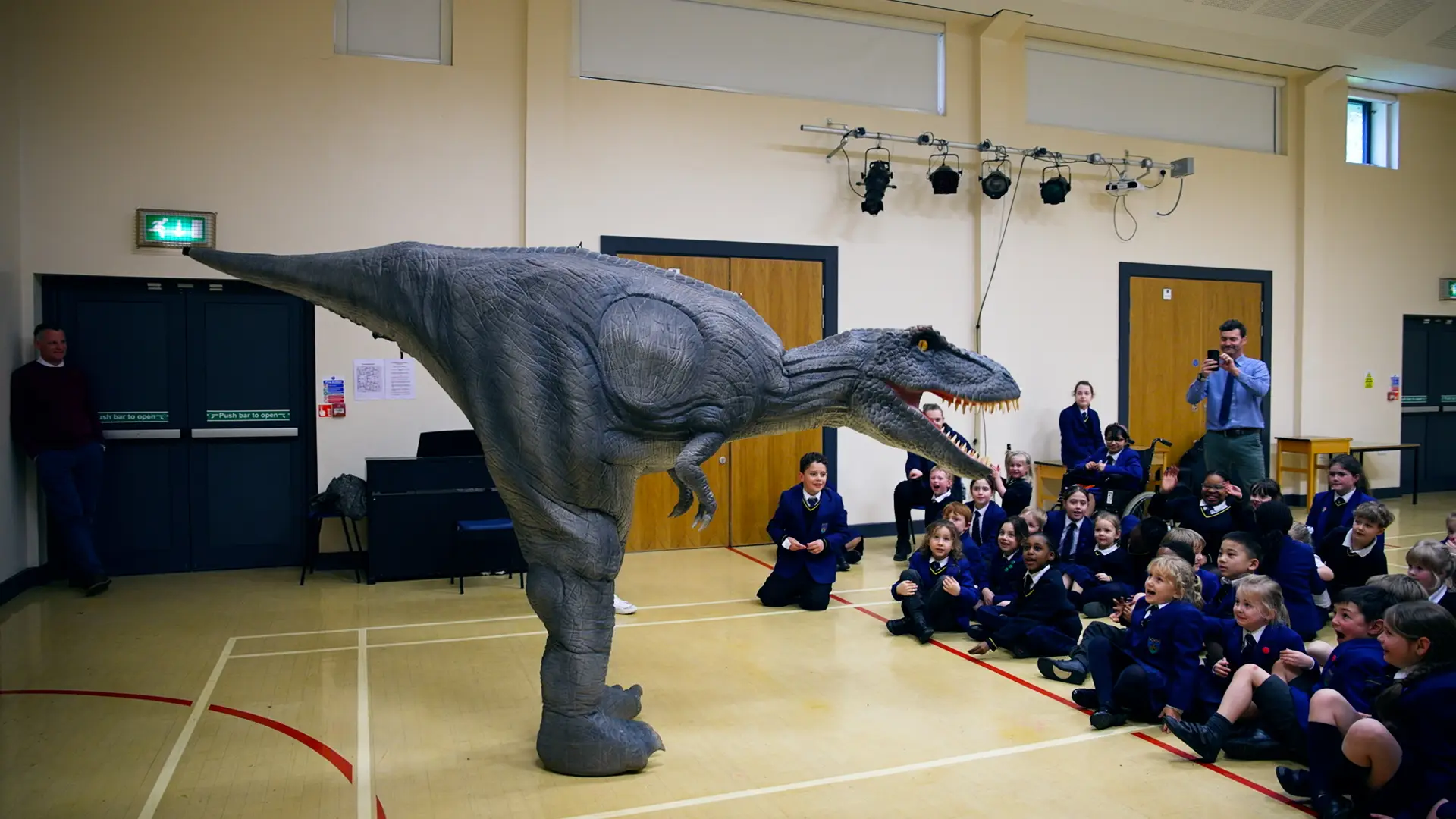
In recent years, several primary schools in Northampton have introduced external VR workshops. These sessions often focus on subjects like the human body, ancient history, dinosaurs, or space exploration. Delivered by trained facilitators, they allow students to explore new worlds without needing any school-owned equipment. This setup appeals to staff who want to provide enriching experiences without extra workload or tech complications.
Looking ahead, there’s clear potential for VR to become a regular fixture. Whether it’s for Science Week, themed learning periods, or the start of a new topic, VR can tie in perfectly. Because it is easily adapted for different age groups and curriculum goals, it’s more than a one-off treat. Schools can plan for regular VR sessions that support cross-curricular learning all year round.
Many Northamptonshire schools want to stay ahead in delivering innovative learning but need the right partners to support that. By teaming up with trusted VR education providers, schools can access ready-made experiences that blend smoothly into their teaching plans. It’s a step forward that doesn’t require a giant leap.
Practical Applications Of VR In The Classroom
VR doesn’t need to be flashy to work. When used well, it becomes a valuable part of everyday teaching. It fits comfortably into subjects like science, geography, and history while providing a welcome boost to engagement and comprehension.
In history classes, VR offers something that books can’t. Students can step into historic moments, like walking through the trenches of World War I or attempting to crack wartime codes. This makes the lesson feel real, giving students an emotional and intellectual connection to the topic.
Science offers plenty of VR opportunities. One moment, a pupil can be inside a living cell, seeing how parts function. The next, they might be tracking water as it cycles through the environment. Whether zooming in or out, VR encourages questions and further exploration.
After a virtual underwater adventure, for example, students may begin projects on ocean habitats. Perhaps they’ll write imaginative stories about sea creatures, build coral reef models, or even calculate the depth of oceans in maths class. A well-run VR session often sparks a whole series of lessons across different subjects.
When schools book external VR workshops, they benefit from professional facilitation. These providers handle the equipment, set up the session, and guide the learning experience so teachers can focus on students. This makes planning easier and helps keep things centred on outcomes that matter.
Steps To Implement VR Learning In Your School
Bringing VR into schools doesn’t have to be complicated. A few simple steps can help you introduce it smoothly and effectively.
- Choose learning goals
Start with a subject or topic where VR makes an obvious impact. Science topics, geography units, and key moments in history all lend themselves well to immersive experiences.
- Find the right provider
A strong partner will supply the equipment and handle the technical side. Look for workshop leaders who understand the education setting and can adapt sessions to your class’s age group and learning needs.
- Coordinate with your timetable
Plan around natural points in your schedule such as STEM Week, Arts Week, or the start of a new term. Most providers are used to fitting into the school day with minimal disruption.
- Prepare your pupils
Build excitement and readiness by having a short class discussion or teaser session beforehand. If students are familiar with the general topic, the VR part will make a greater impact.
- Reflect and extend
After the VR session, support children in sharing what they’ve learned. They might write about their experience, draw diagrams, or work in groups to present their findings. Bringing VR back into classroom learning helps secure the knowledge gained.
Giving your teaching staff a brief overview or guidance session in advance can be helpful. Many teachers enjoy seeing new methods in action and often use what they’ve learned to boost future planning.
Make Learning an Adventure with VR
VR can turn classroom moments into something unforgettable without adding pressure to the school day. It gives teachers new ways to bring lessons to life and helps pupils explore topics in a way that’s dynamic and meaningful. With more schools across Northamptonshire already embracing this type of digital learning, now is a great time to see how VR fits into your teaching plans.
There’s no need to revamp everything. Just one targeted VR session can transform a topic and break through limits that might have held some learners back. Whether you want to re-engage a class with a subject, introduce something new with energy, or expand an existing project into new dimensions, VR can support your goals and keep learning fresh.
For schools that care about creativity, interaction, and lasting impact, VR offers a path to deeper learning. It helps children understand, participate, and remember. And most of all, it leaves them curious and excited for what comes next.
To explore the wonders of virtual reality education in Northampton, take a look at how Giant Journeys can bring transformative learning experiences to your school. By integrating VR into your curriculum, students can dive into immersive lessons that foster curiosity, engagement, and understanding. With sessions tailored for different age groups, Giant Journeys offers the ideal blend of technology and education to enrich your students’ learning journey. Enhance their educational experience by selecting an exciting workshop and discover the endless possibilities VR can offer.