Classrooms in the UK are quickly becoming more lively and interactive, mainly thanks to technology. From smart whiteboards that speak to interactive quizzes, lessons look very different today. One of the biggest reasons for this shift is artificial intelligence, often called AI.
AI is no longer something only seen in science fiction. It’s helping pupils make sense of tricky topics, giving teachers ideas for planning, and even creating adventures where pupils feel like they’re walking with dinosaurs or exploring the deep sea. With AI, learning is more personal, more hands-on, and much more fun.
From Robots to Real Learning: What AI Means for Schools
Some might hear “AI” and picture robots, but in schools, it’s really a helpful tool. AI acts like a digital buddy, understanding how each child learns best and shifting tasks to fit their style and speed. If someone zooms through a maths challenge while another wants extra time, AI can spot this and tweak the lesson right away.
It’s also great at answering those on-the-spot questions. Digital assistants are happy to explain a tough science term or repeat a phrase in French, freeing up teachers to focus on group talks, checking work, or planning future lessons.
Another clever thing about AI is how it spots patterns. If a pupil often finds reading a struggle or a class keeps slipping up on the same question, the teacher gets a gentle nudge so nobody gets left behind. AI doesn’t take over but quietly gives teachers the backup they need, helping all pupils to make solid progress.
Exploring the Past With a Digital Twist
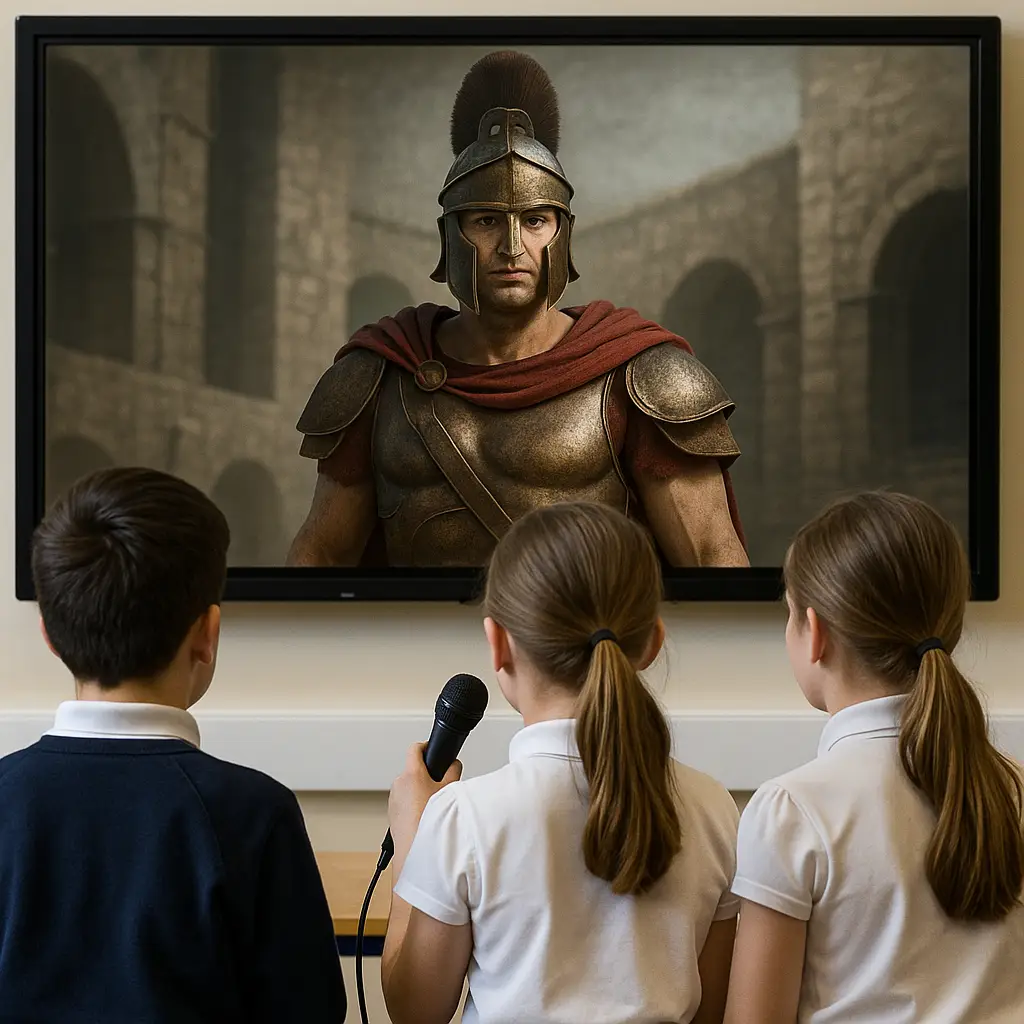
History often feels far away when it’s just words or faded pictures. Now, AI and VR have changed that completely. Instead of only reading about Roman soldiers or Ancient Egypt, pupils can “step into history” and meet the people from those times.
Pupils love joining a Q&A with a Roman codebreaker or seeing what life was like for an Ancient Egyptian child. These characters, powered by AI, chat in real time and tailor answers to the children’s questions. Because it feels like a real conversation, pupils remember what they’ve learned for much longer.
This makes history more approachable for everyone, from those who love talking and moving to those who learn by doing. Meeting a character from the past, even for a few minutes, turns big ideas into something real and relatable. It’s about more than facts – it’s about being part of the story.
The Science of Discovery: AI in the World of STEM
Some of the best lessons are those you can see, touch, and question. In science, AI helps bring learning to life. In the CSI Journey workshop, for instance, children become real-life crime solvers. They learn about DNA, fingerprints, and blood spatter, and then investigate a “robbery” by working together to collect clues and decide which suspect is guilty.
This way of learning shows children exactly how science helps in everyday life. In other sessions, like the Human Body VR Journey, pupils see how their heart beats or how food gets digested. They even build a life-sized skeleton as a team, turning textbook facts into hands-on tasks.
These activities match each class’s age and needs, not just the topic. For younger pupils, clues are simplified, while older children get more complex mysteries to solve. These experiences help build skills beyond the lesson itself, such as teamwork and thinking in new ways.
Bringing Big Ideas to Small Classrooms
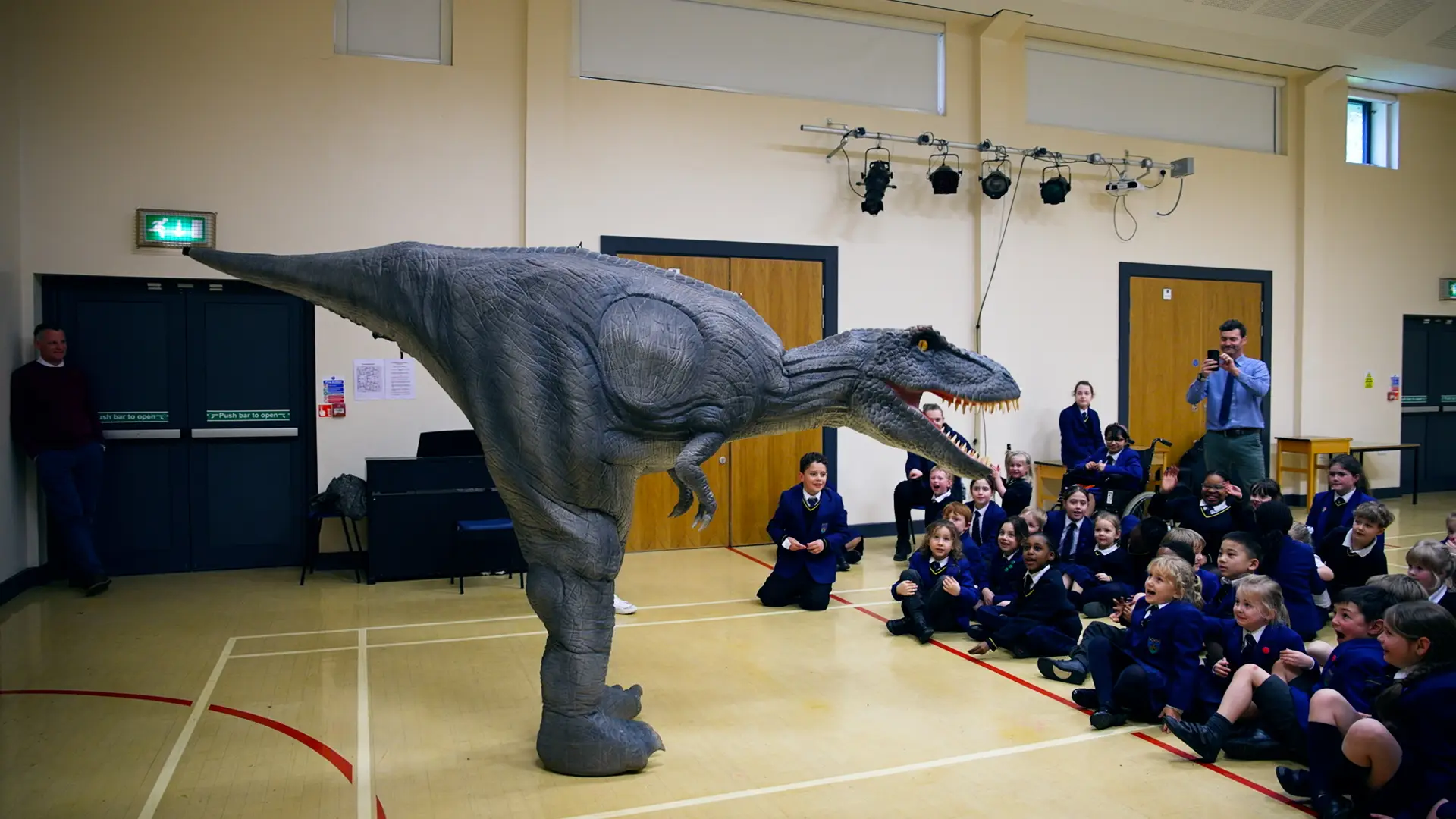
Play is where some of the best learning happens, and AI tech helps to create those “wow” moments, even in smaller spaces. The Miniworlds VR Journey is a popular choice for introducing children to the lives of insects and small creatures. With VR headsets, pupils get to move through forests, see bugs up close, and watch lifecycles in action.
The Space VR Journey is another favourite. Pupils explore the solar system, gliding past planets and learning about gravity, moons, orbits, and what makes each planet unique. These sessions help pupils ask bigger questions, like what life is like on other planets.
– Miniworlds takes children through lifecycles, habitats, and survival strategies by “shrinking” them down to insect size.
– Space VR invites everyone to “fly” across planets, not just read about them, making science and space much more memorable.
These VR journeys use the business’s own equipment and can be set up in a school hall or classroom. The sessions can be adapted to fit into a typical school day, while letting children play a lead role in their own learning.
Looking Ahead: How AI Can Keep Helping Children Learn
Every year, AI in classrooms grows and changes. Simple tools now read aloud for pupils or offer gentle feedback as they work. Some programmes are ready to suggest a new activity when pupils need a change of pace.
Apart for schools is they don’t have to buy their own VR or AR gear. With everything brought in by professionals and set up for each school, lessons can run smoothly without teachers needing to worry about the tech. This lets staff focus on the pupils, while the facilitators take care of the rest.
Every session is run by someone with experience, so guidance is always on hand. They can see when a class needs a quick break, change the pace, or help explain something in a new way. The tech never takes over, but sits quietly in the background, making learning better for everyone involved.
Learning That Sticks: The Difference Experience Makes
AI continues to bring a fresh spark to schools, supporting pupils’ curiosity and teachers’ hard work without replacing the human side of learning. Simple tools and interactive sessions have already proven how learning can be more memorable when it feels exciting.
A child laughing with friends or asking big questions during a session is always a good sign. Those are the lessons pupils look back on, remembering what they saw, heard, or built. Hands-on activities, real conversations, and digital adventures are shaping school days right now, and they show no signs of slowing down.
School life across the UK feels more fun, more creative, and packed with new things to discover, with these ideas leading the way.
Ready to bring science, history or space to life in your classroom? Our hands-on sessions are packed with excitement and real learning. From exploring the human body to solving forensic mysteries, we make big educational ideas stick through tech-based storytelling, teamwork and problem solving. To see how your school can benefit from our wide range of educational workshops in the UK, contact Giant Journeys today and let’s plan something memorable.