Here’s the story of the girl who found monsters in the cliffs.
Before dinosaurs were in books, films or classrooms, they were hidden in rock.
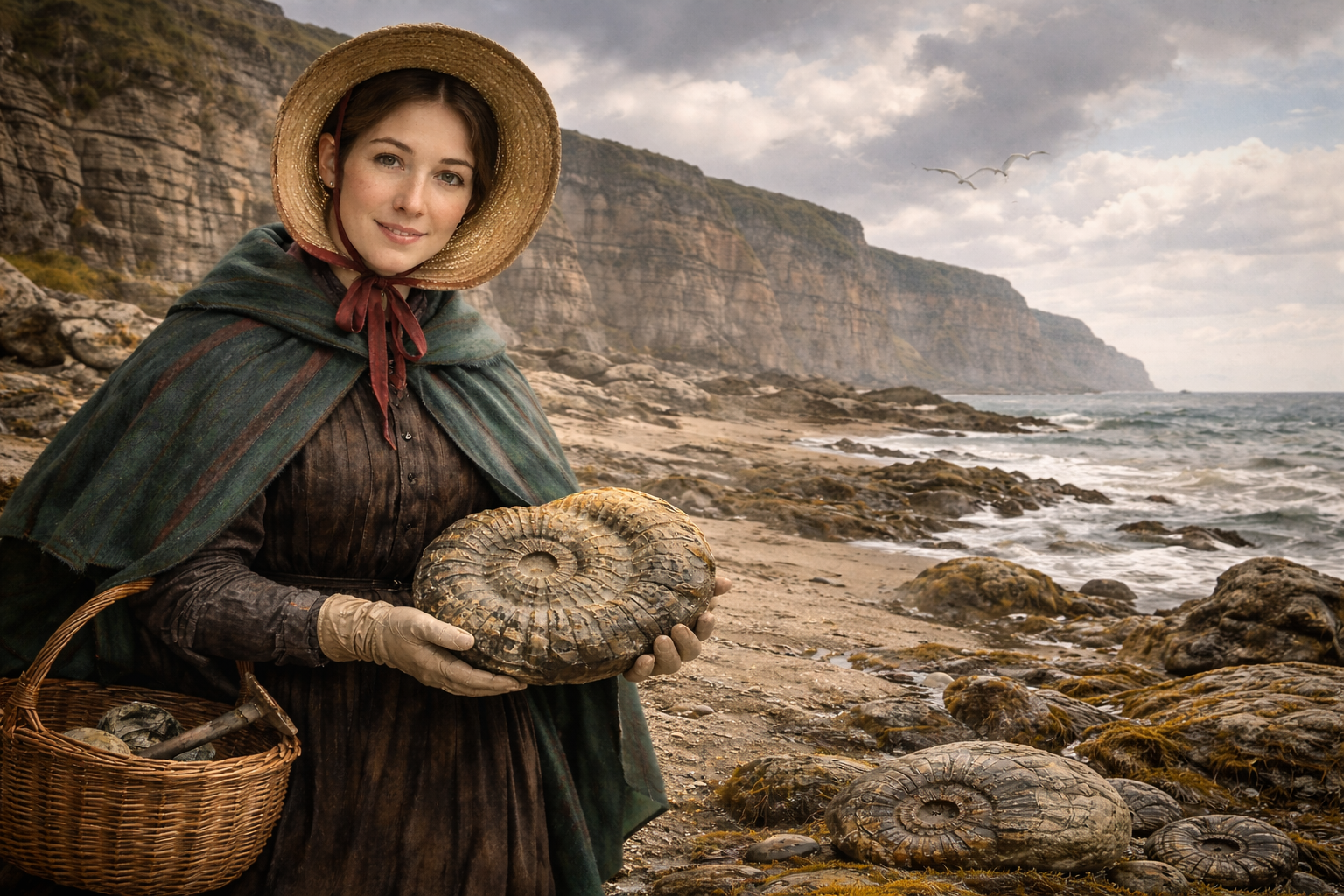
And one of the first people to find them was a young girl walking along a beach in Dorset.
Mary Anning didn’t just discover fossils. She uncovered creatures no one had ever seen before.
A discovery that changed everything
In 1811, Mary Anning and her brother were searching the cliffs at Lyme Regis when they uncovered something extraordinary — the fossil of a giant marine reptile, later named an ichthyosaur.
At the time, people didn’t fully understand extinction. The idea that entire species could disappear was still being debated.
But Mary kept finding more.
Huge skeletons. Strange shapes. Creatures that didn’t match anything alive today.
Her discoveries didn’t just fill museum cases. They changed how people understood the history of life on Earth.
And she did it all through curiosity, persistence and careful observation.
The myth about dinosaurs in the classroom
There’s a common myth that dinosaurs are just a “fun topic.”
In reality, they’re one of the best ways to teach real science.
Because dinosaurs open the door to:
- Fossil formation and evidence
- Extinction and environmental change
- Adaptation and survival
- Scientific discovery and questioning
Mary Anning’s story proves it. She wasn’t just finding “interesting bones.” She was building evidence that helped shape modern science.
When children see dinosaurs this way, the topic becomes much more than facts. It becomes investigation.
Bringing Mary Anning’s discoveries roaring into your school
This is where things go from interesting… to unforgettable.
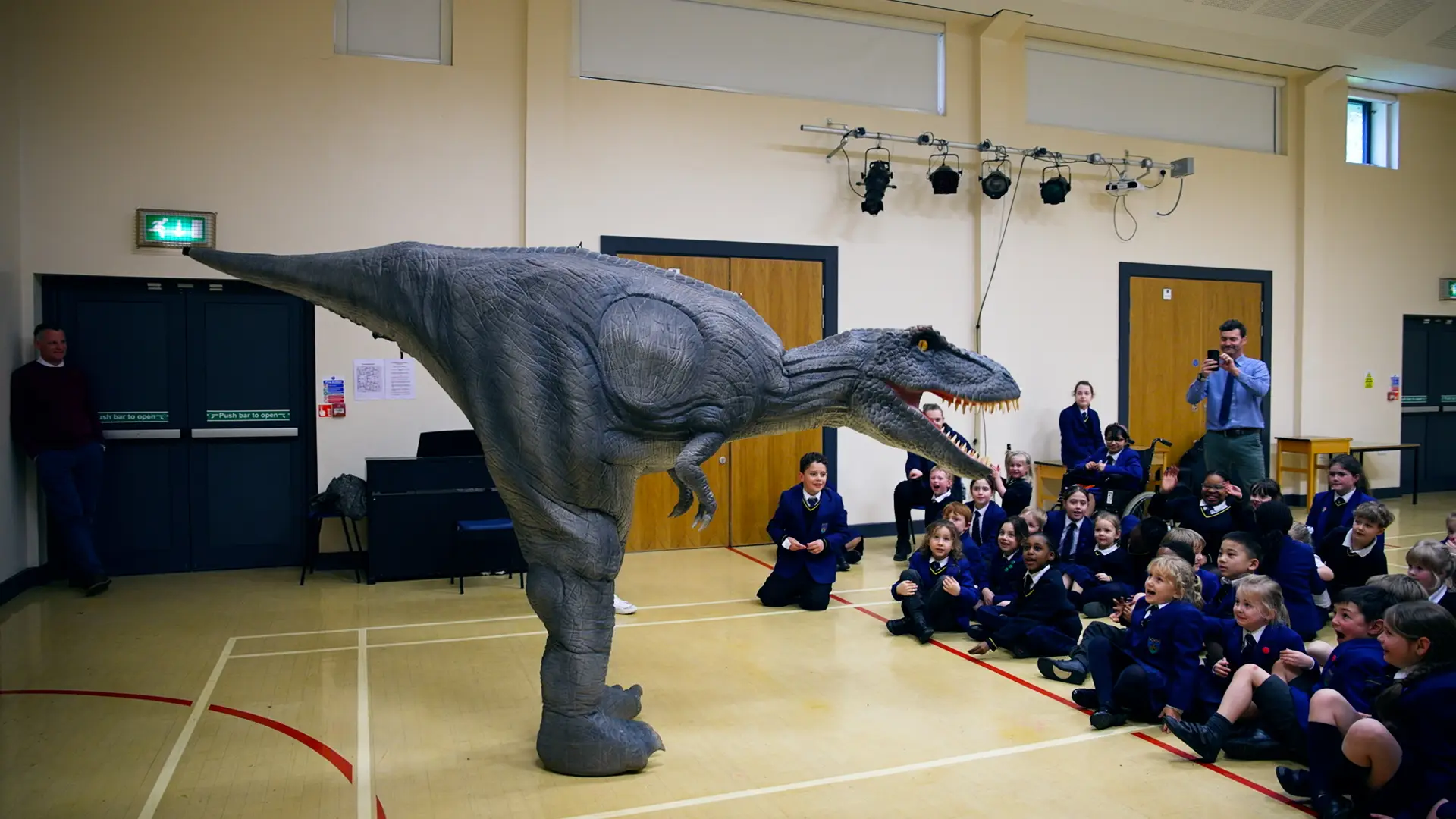
Our Primary School dinosaur visit doesn’t just “cover the topic.” It turns your hall into a moment pupils will talk about for years.
A 5-metre-long dinosaur walks in. Not on a screen. Not in a book. Right there in front of them.
You can feel the shift instantly. Gasps. Laughter. A few nervous steps backwards. Then the questions start flying.
From there, we guide pupils through the science behind what they’re seeing — fossils, extinction, habitats — linking it all back to real discoveries, just like Mary Anning’s.
It’s part assembly, part encounter, part hands-on learning experience.
And it works because it taps into exactly what made Mary Anning so successful in the first place: curiosity.