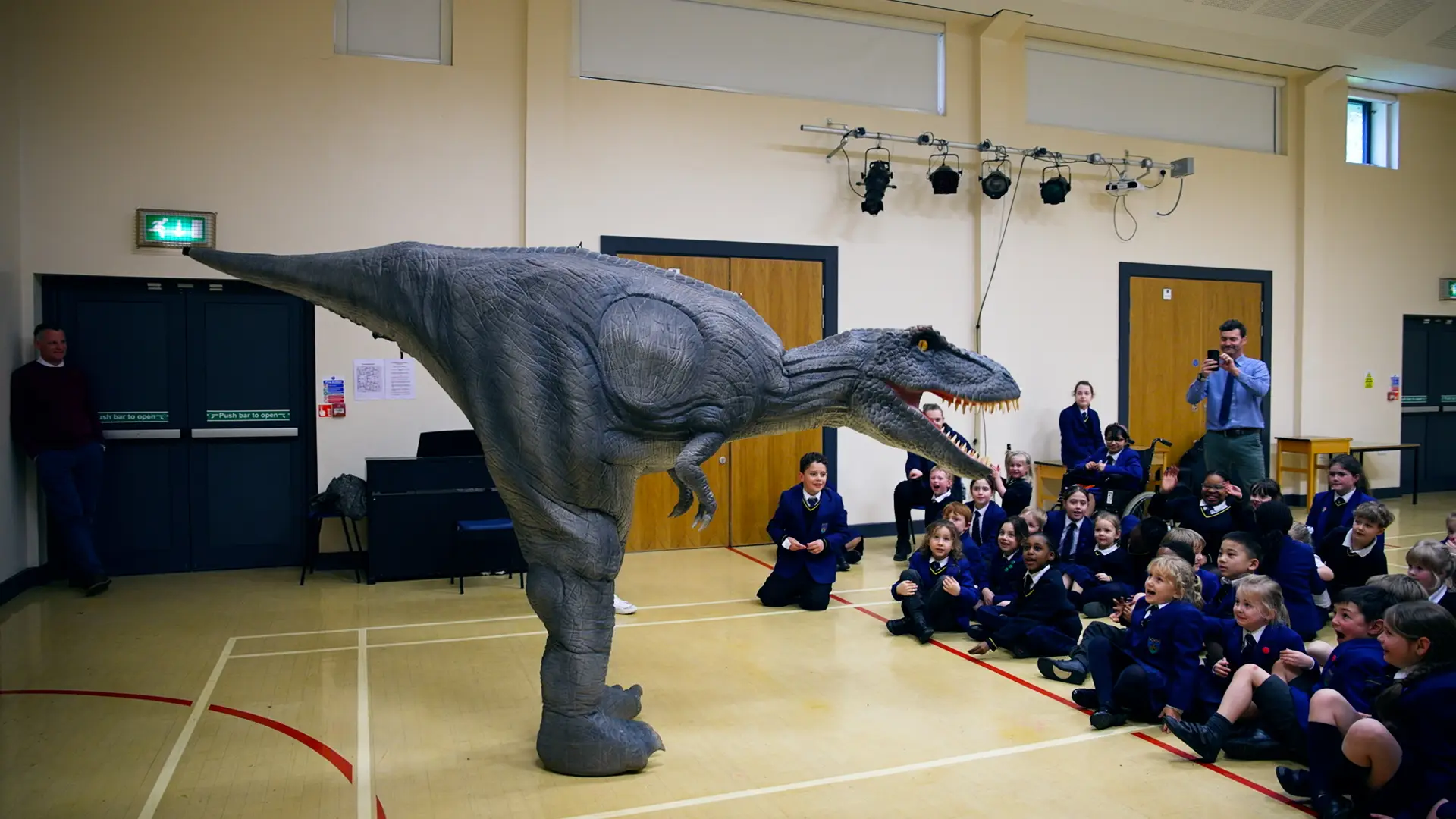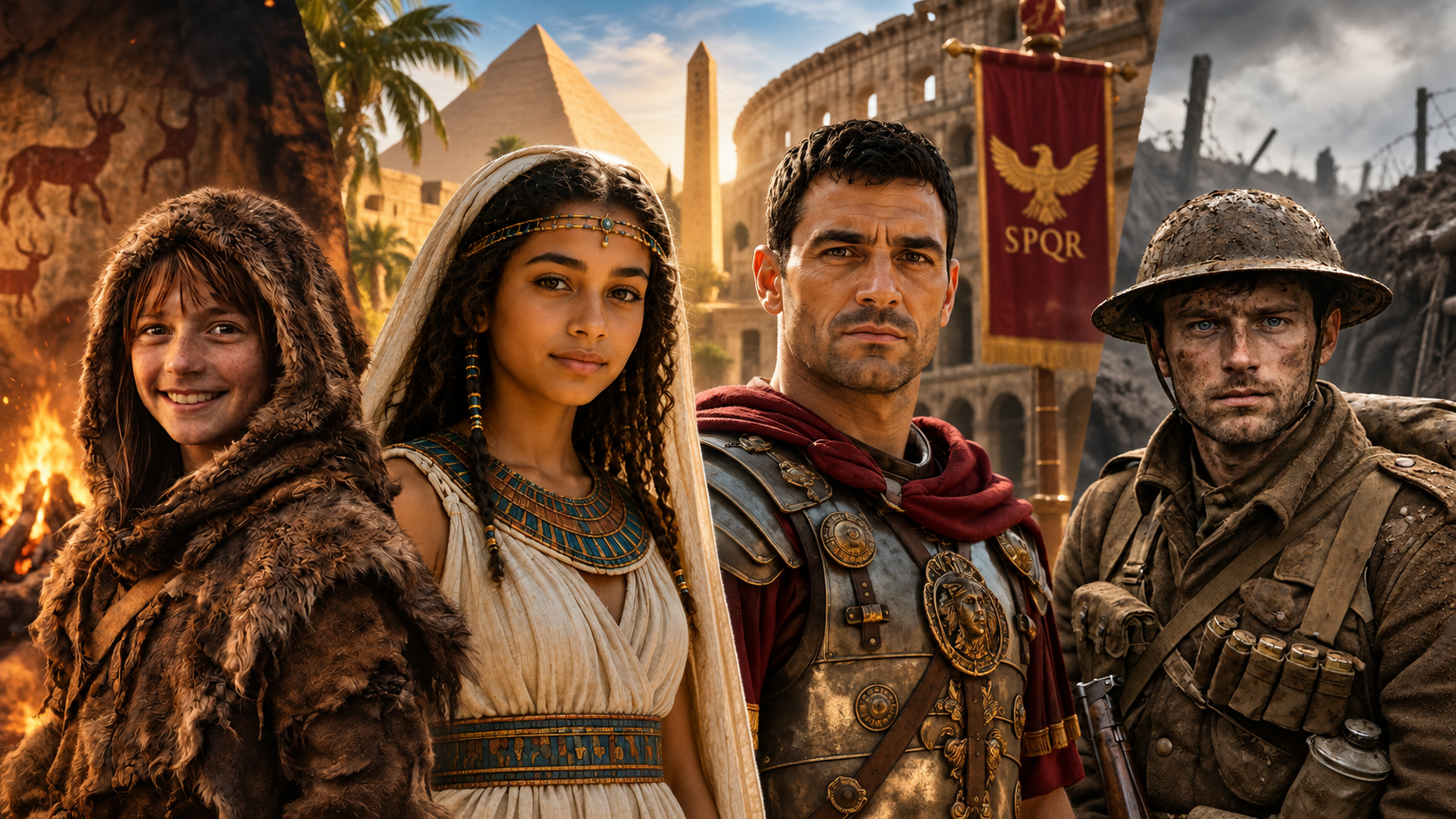

History doesn’t have to be dry facts and dusty dates. When presented in the right way, it can be one of the most exciting parts of the school day. The past is full of stories, turning points, and brilliant discoveries, and interactive workshops help bring that to life for young minds. This is especially important in primary schools, where children are just starting to form their opinions about subjects they’ll keep learning all through their academic journeys.
An interactive history workshop gives pupils a chance to take part in the story, not just listen to one. Whether they’re discovering how codes were used in wartime or working out who stole a diamond in a crime scene session, they’re using their imagination, building their thinking skills, and having fun at the same time. Add technology like Augmented Reality or Virtual Reality, and you’ve suddenly got history lessons that feel like a real adventure.
Understanding Interactive History Workshops
At its simplest, an interactive history workshop is a hands-on session where pupils explore historical events in a way that involves more than just reading or listening. These workshops are designed to pull students in through problem-solving, role play, teamwork, or digital tech. The goal is to help kids really understand what life was like during another time or to get them thinking about how different people shaped the world.
Unlike regular classroom lessons where students might sit at their desks and follow along, these workshops get everyone moving, questioning, and talking. That shift in style helps spark curiosity and keeps children involved, especially those who might struggle to sit still or learn best by doing.
Using Augmented Reality (AR) and Virtual Reality (VR) makes this even more exciting. AR and VR can turn a classroom into a coded bunker from World War II or the inside of a pyramid being built. Students aren’t just looking at pictures in a book. They’re transported into the time and place they’re learning about. This is helpful for building empathy and creating stronger memories. A VR journey showing wartime challenges can help pupils understand perspectives that textbooks might miss.
When workshops are well-designed, they connect with different learning styles. Visual learners benefit from lifelike simulations, while active learners enjoy solving problems on their feet. The added bonus is that while students are having fun, they’re also picking up timelines, new vocabulary, and deeper story context.
Preparing for an Interactive History Workshop
A bit of preparation goes a long way when it comes to getting the most out of a day of immersive learning. Teachers and staff can take a few simple steps to make sure pupils are ready and everything runs smoothly.
- Clear the right space
Most workshops work best in a large room like a PE hall or school gym. That gives children the space to move around and take part in group activities. If that’s not possible, a spacious classroom can still do the trick.
- Share some light background
Start setting the scene a few days before the workshop takes place. You don’t need to dive deep. A short discussion, a classroom wall display, or a fun video can be enough to build curiosity and excitement.
- Set behaviour expectations
Workshops are more active than usual school lessons, so it’s helpful to give pupils a quick reminder about listening, taking turns, and staying involved before the day begins.
- Plan for follow-up
Think ahead about how you’ll use the workshop experience later on. This could mean setting a homework task, linking it to future writing, or revisiting themes the next week. Having everything lined up helps students connect what they’ve learned with the rest of the curriculum.
Being thoughtful with the lead-up helps create a stronger impact. When students walk in connected to the topic and eager to get involved, they’re more likely to retain what they learn during the workshop.
Popular Interactive History Workshops Offered by Giant Journeys
With the right approach, history workshops become highlights of the term. Many children grasp ideas better when they physically engage with content. The following examples offer varied, creative takes that connect to real events, skills, and stories.
- WW2 Codebreaking Journey
This dramatic, wartime-themed workshop turns your school hall into a secret codebreaking hub. Pupils learn Morse code through physical movement, work together to crack intercepted messages, and dive into the challenges faced during World War II. It links historical study with communication science and teamwork.
- CSI Journey
A thrilling journey into the world of forensic science. Pupils collect clues, examine footprints and fibres, and use DNA models to figure out what happened in the great diamond heist. Rooted in history and science, this session lets pupils think like investigators and problem-solvers.
- Indian Dance Journey
Although more cultural, this workshop delivers a rich window into India’s ancient traditions through the graceful moves of classical Kathak dance. Pupils learn about Mudras, storytelling, and the importance of dance in historical celebrations. It’s especially useful when covering RE or global studies.
- Sport & VR Journey
This combines traditional history with physical learning. After using VR to visit Ancient Olympia, pupils take part in fun sporting challenges inspired by the Olympics. It ties into global studies, history, and PE, creating an exciting cross-curricular day.
Each of these workshops brings something new to the table. Teachers can choose the one that fits their term’s focus or aligns with special themed weeks. Plus, our workshops are adapted to work with different year groups and learning needs.
Maximising the Learning Experience
Once your pupils are ready and the workshop begins, the way you invest in the session can make all the difference. Our facilitators lead the experience, but teachers’ involvement helps stretch learning further.
Here are a few ways to help your students get the most from the day:
– Ask deeper questions while pupils are exploring: “What do you think this item tells us?”, “How would that person have felt?”, or “Do you think this was fair?”
– Let pupils try out new roles in group tasks. It might be a good time to encourage quieter children to lead or more active students to step into reflective roles.
– Capture the energy of the day with photos (if allowed), or jot down quotes, questions, and big moments.
– Use workshop moments to kick off discussions, writing projects, or even diary entries from the point of view of a historical character.
A short reflection session the next day can also go a long way. Whether it’s group discussion or a small written piece, taking a moment to revisit the experience helps pupils store what they’ve learned in a more lasting way.
Bringing History to Life in Your Classroom
Interactive workshops work best when they don’t stand alone. Think of them as part of a wider storytelling arc. Whether you’re kicking off a new topic or tying up loose ends before a project wraps, they help cement timelines and concepts in engaging, hands-on formats.
Let’s say you’re exploring the 1940s after a WW2 Codebreaking Journey — why not build that out with a class diary project from the perspective of a wartime evacuee? With the CSI Journey, students might craft newspaper articles about the crime, write character witness statements, or run mock court sessions. These kinds of tasks help keep the curiosity alive and show students how history connects to real-world thinking.
Don’t worry about forcing everything to match a specific goal either. Part of the value in these workshops is sparking interest in organic ways. That spark might carry over into English, Art, or Science without needing to box each activity into a school subject. Immersive sessions encourage students to see history as a lens they can use to explore their world in different ways.
Transform Your Classroom Experience
There is something truly memorable about pupils walking into a hall and finding themselves deep in a crime investigation or transported back to Ancient Olympia. These moments change how students see school and bring lessons to life in a way that books or slides never could.
Interactive learning like this opens the door to curiosity, builds confidence, and creates deep understanding without it feeling like work. Students are no longer just absorbing information. They’re connecting it to movement, discussion, reflection, and group thinking. That kind of learning sticks and creates echoes in the days and weeks that follow.
With the right support, a clear setup, and some thoughtful follow-up, these experiences can help shape the way children think about history — and maybe even about school itself. Interactive history workshops are more than just one special day. They are a way to make a real impact that goes far beyond the session.
Experience history like never before with our engaging, hands-on sessions designed to captivate and educate. Discover how Giant Journeys’ interactive history workshops can turn classroom learning into a fun and memorable experience. Through storytelling, teamwork, and immersive technology, these sessions bring the past to life and encourage young learners to connect with history in exciting new ways.