Choosing VR Workshops for UK Schools can sometimes feel tricky, especially with so many exciting options. Virtual Reality (VR) adds another layer to this decision. It opens the door to experiences that bring learning to life, letting pupils explore topics in a way that sticks with them. From diving under the sea to walking through ancient cities, VR has made it possible for classrooms to go way beyond what textbooks can offer. So, making the right choice matters not just for ticking curriculum boxes but for keeping pupils switched on and curious.
As we head into the autumn term, it’s a great time to plan learning experiences that spark something fresh. Teachers are often looking for ways to grab attention after the summer break, and a well-picked VR journey can do just that. Whether your school’s focus is science, history, physical education, or something broader, the right VR workshop can bring real meaning to what pupils are learning in class.
Understanding Your School’s Needs
Before browsing different VR options, it helps to understand what your school needs most. Every school is a bit different, and one-size-fits-all rarely works when it comes to planning pupil experiences. The aim is to find a workshop that matches your curriculum and resonates with your pupils’ interests and stage of learning.
Here’s what to think about:
– Match the subject focus. What topics are you currently covering? If your pupils are exploring human anatomy, a VR workshop that takes them through the body might reinforce classroom learning in a more hands-on way. If they’re learning about space or planets, something that lets them fly around the solar system may be more suitable.
– Consider the age group. Younger students may connect best with simple visual experiences like exploring insects or marine life, while older pupils can tackle more advanced themes such as wartime codes or crime scene science.
– Look at your timetable and space. Make sure your school has a suitable area like a hall or large classroom, for the session, and check how it fits in with your daily schedule. You’ll want a session that’s easy to run without disrupting the rhythm of the school day too much.
A teacher from a rural primary school once shared how a VR journey linked perfectly with their mini-beasts science topic. It wasn’t just about adding technology. It helped the children connect the dots between what they were reading and what they could experience through VR headsets.
By starting with a clear understanding of your school’s timetable, pupils’ learning needs, and current curriculum topics, you’ll be better placed to find an option that works well now and sets the tone for future lessons.
Exploring Available VR Workshops
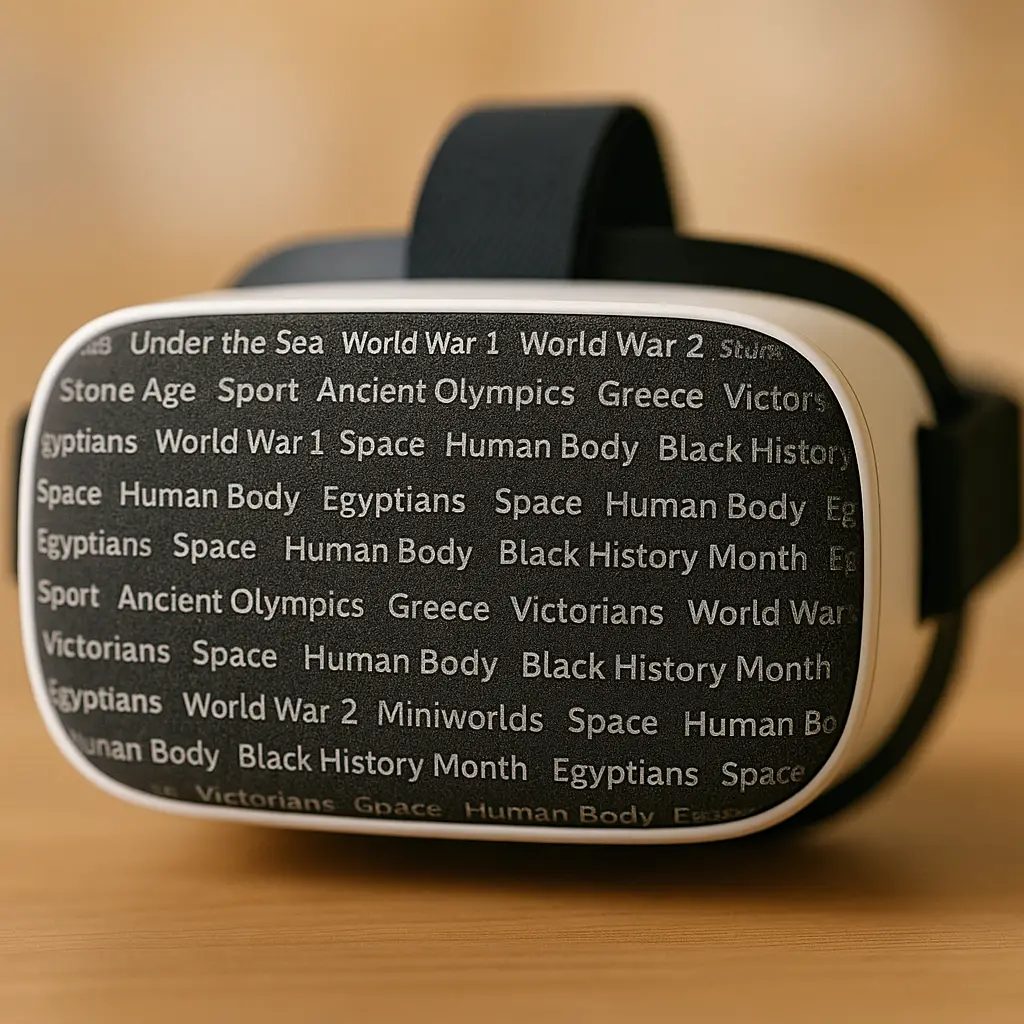
Once you have a good sense of direction, it’s time to explore VR school programs available in the UK. There are excellent options for stirring student imagination without leaving the school grounds. From prehistoric creatures to forensic science and outer space, the choices feel like a menu of adventures.
Here are some highlights from what’s on offer through Giant Journeys:
Human Body VR Journey – A close-up look at how the body works. Pupils can explore organs through VR, then build a human skeleton with hands-on materials. A great match for science topics.
Space VR Journey – A solar system tour where children become junior astronauts. Perfect for introducing or expanding lessons on planets, stars, and galaxies.
Sports and VR Journey – Combines world exploration with physical activity. Pupils visit a chosen country’s landmarks, then travel back to Ancient Olympia and take part in Olympic-style games.
CSI Journey – Children become young forensic investigators, analysing clues, studying fingerprints, and solving a mystery. Keeps them engaged as they practise science skills and teamwork.
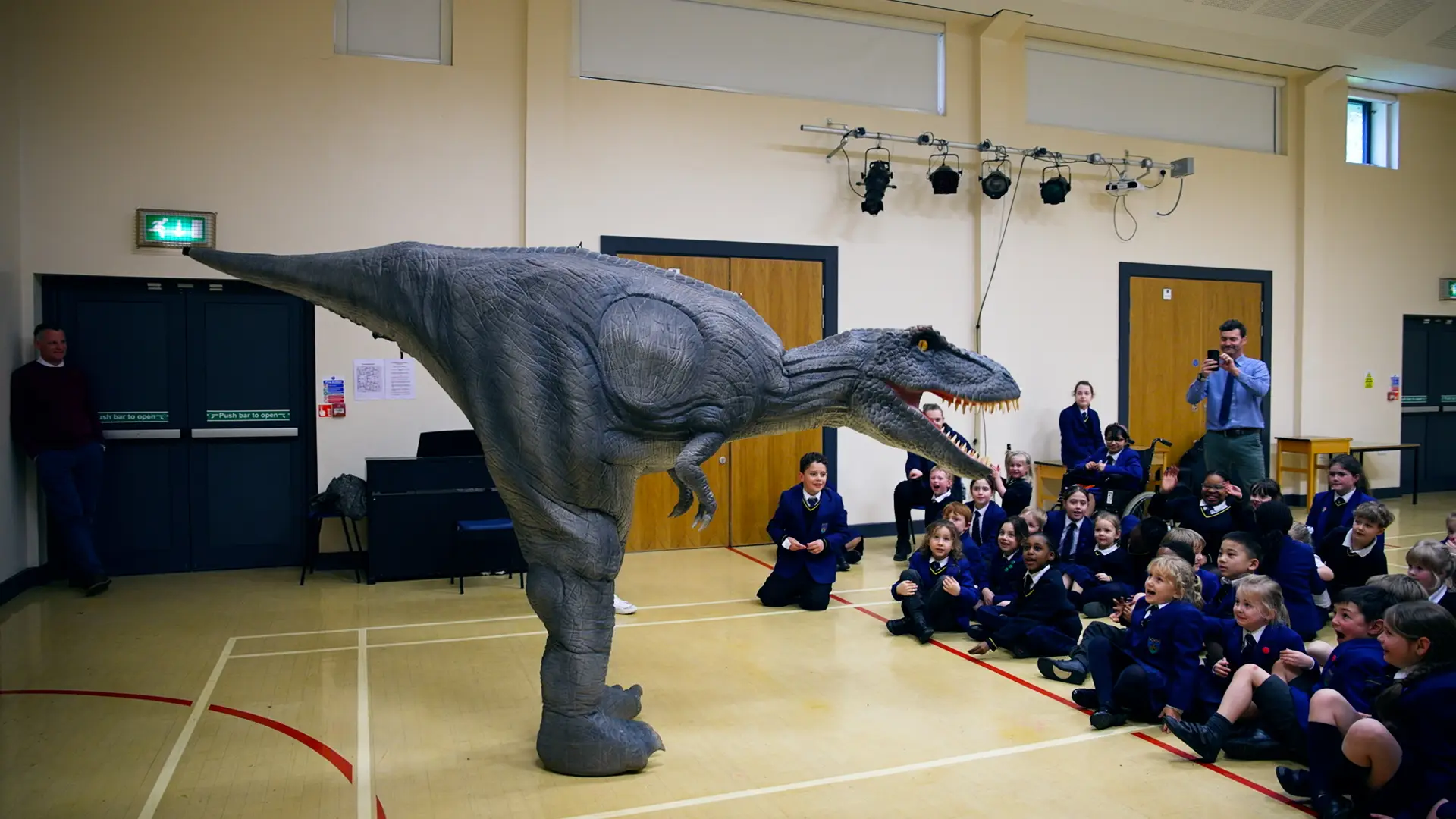
Jurassic Dig Journey – Budding palaeontologists dig through sandboxes for fossil treasures before using AR books to bring dinosaurs to life.
All these workshops are carefully built to support learning while sparking interest. Whether your goal is to deepen understanding of a current topic or give pupils a taste of something new, VR adds energy to your curriculum plan. Choosing a workshop that links naturally to what your class is doing helps students better retain new information and relate it to what they’re already learning.
Benefits of VR Workshops for Students
When integrated well, a VR workshop does more than just offer a fun break from routine. It encourages pupils to think critically through active participation. These sessions are designed around hands-on learning, which works especially well when reintroducing tricky ideas or starting a new theme.
VR helps children visualise concepts that may not come across clearly in a regular classroom. Instead of just reading about the Earth’s layers or rainforest ecosystems, they can explore these environments virtually. That shift from watching or listening to doing boosts both understanding and memory.
There’s also a strong element of teamwork during these workshops. Whether pupils are digging for fossils or breaking wartime codes, they practise listening, sharing, and collaborating. These moments strengthen classroom relationships and help pupils build confidence in communication.
For younger pupils, seeing a dinosaur move in front of them often sparks genuine curiosity. For older students, solving a crime in a CSI session offers a new way to apply science and logic. The interactive nature of these tasks provides a practical foundation for deeper learning back in the classroom.
Repeated exposure to new ideas in different formats helps ideas stick. So when pupils see something in VR, talk it through in the workshop, then reflect on it later in class, they’re more likely to remember and apply what they’ve learned.
You don’t need a science fair or end-of-term treat to run an exciting session. These workshops can easily slot into your term plan to support targeted learning goals or set the tone for a wider inquiry project.
Practical Tips for Booking and Preparation
Once you’ve picked a session that fits with your current studies, a bit of planning can help ensure the day runs without a hitch. Preparation adds value and helps make the workshop feel like a meaningful part of your broader teaching plans.
Here’s a simple checklist to stay on track:
- Pick your workshop and date early
Sessions tend to book out fast during busy school terms. Once you’ve found a good match for your curriculum, get the date secured to avoid disappointment.
- Prepare your space
VR and interactive activities usually need an open area like a hall or a large classroom. Clear it in advance so pupils can move safely and freely.
- Let your team know
Inform teaching assistants or other team members about the session. Their support during setup or transitions can make the day smoother.
- Prep the pupils with some background
A short introduction lets the class know what to expect. If they’re set to explore the human body or act as codebreakers, a quick overview will get them curious and ready.
- Follow up afterwards
Allow time for post-workshop discussions. Ask open-ended questions like, “What did you find most interesting?” or “What do you still want to explore?” You might also connect the session to a writing task or mini-project.
Taking time to plan means your pupils will be more present and focused during the experience. They’re more likely to listen, ask questions, and make the most of this learning opportunity.
Make Learning Unforgettable with the Right VR Workshop
A great VR workshop does more than bring novelty to learning. It adds depth, context, and curiosity to what children are already exploring in school. Whether they’re traversing oceans, assembling skeletons, or decoding mysteries, students remember learning that lets them be part of the story.
Choosing the right workshop unlocks new ways for pupils to connect with subjects like geography, science, and history. It shows them there’s more to learning than just reading from a page. When students actively engage with content, their questions grow bigger, their confidence builds, and their interest in learning follows them well beyond the school gates.
If your aim this school year is to make lessons stick a little better and spark some fresh thinking, a carefully selected VR experience could be just the thing. Let it be the tool that brings your current topics to life while opening new doors to discovery.
Ready to take learning to a whole new level? Explore our VR school programs in the UK to see how Giant Journeys can transform your classroom with unforgettable, hands-on experiences. From cracking wartime codes to stepping inside the human body, our immersive journeys are built to spark imagination, boost engagement, and support your curriculum every step of the way.