Cultural events in schools offer a unique opportunity to celebrate diversity and open doors to new learning experiences. By recognising occasions like Diwali, Chinese New Year and Black History Month, schools can nurture a sense of belonging and curiosity in the classroom. These events help children appreciate different traditions while teaching respect and awareness through fun, inclusive activities.
When schools bring these celebrations to life with engaging tasks and student-led participation, it makes the experience more personal and memorable. Creating spaces where every student’s background is valued boosts confidence and teamwork while strengthening the classroom community. Cultural events give teachers and pupils the chance to learn with each other, not just about each other.
Understanding Cultural Events
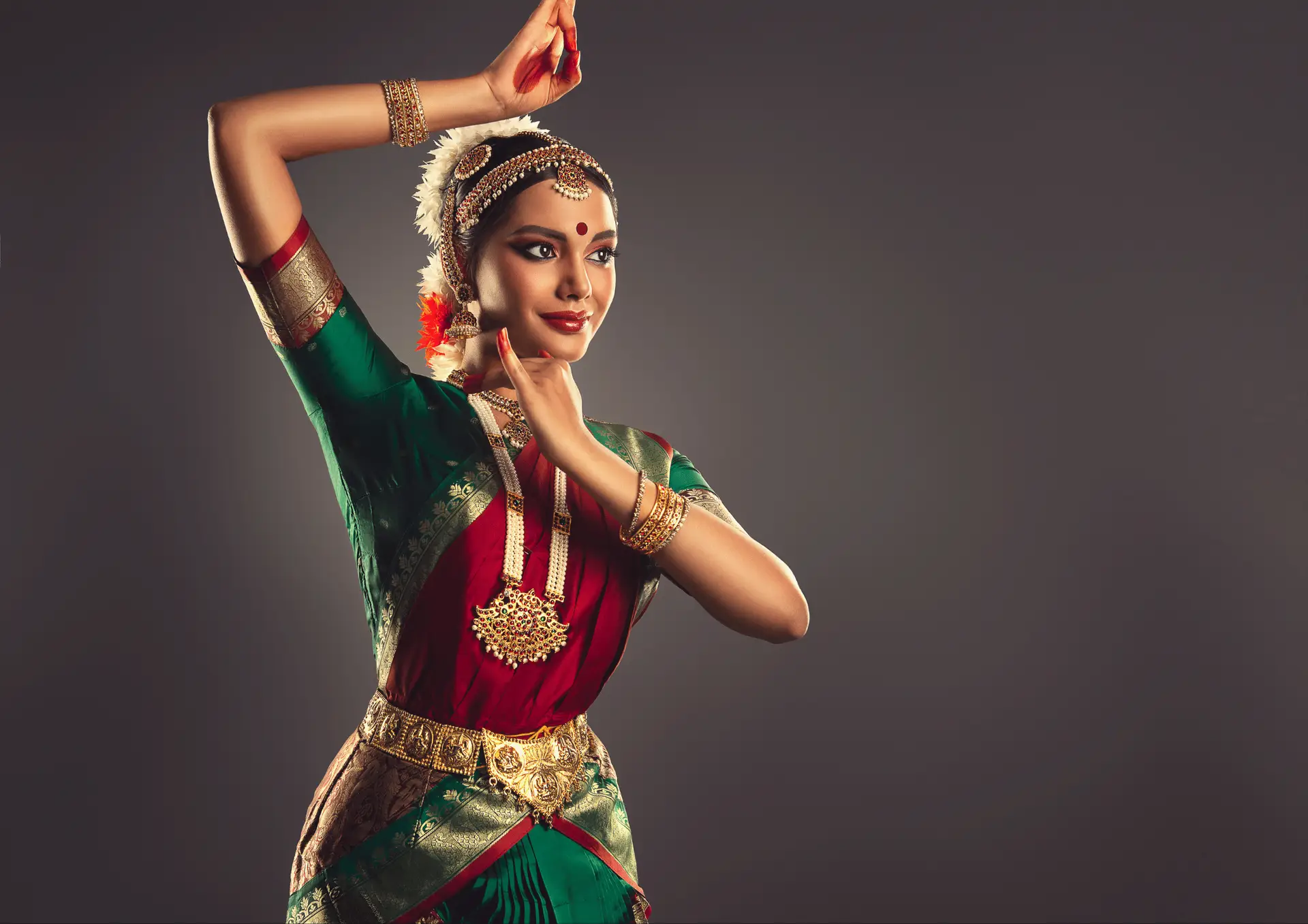
Diwali, Chinese New Year and Black History Month each carry powerful stories and symbols. Diwali, the Festival of Lights, represents the triumph of light over darkness and good over evil. Lamps, called diyas, are lit and placed around homes and schools, while sweets and stories are shared among friends and family. Many students enjoy learning about Diwali through its colourful customs and vibrant decorations.
Chinese New Year, celebrated at the start of the lunar new year, is a time for new beginnings. It’s well known for activities like dragon dances, fireworks and meals enjoyed with family. School celebrations shed light on Chinese traditions, from learning how to say “Happy New Year” in Mandarin to understanding the animals of the Chinese zodiac.
Black History Month is a dedicated time to recognise and honour the achievements of Black individuals and communities throughout history. It gives schools the opportunity to highlight figures who’ve made a lasting difference in the areas of politics, the arts, science and sports. Activities during this month can help students discover stories they may not usually hear and allow them to explore the themes of equality, identity and human rights.
By taking part in these events, students engage not just academically but emotionally and socially. It creates a connection to the wider world and helps them build empathy for different lived experiences. These celebrations are not one-off lessons – they lay the groundwork for lifelong understanding.
Creating Inclusive Activities
The key to a successful cultural celebration lies in how the activities are planned and presented. For Diwali, rangoli design sessions are a great classroom task. Using coloured chalk or sand, students can create beautiful floor art while learning about the meanings behind the shapes and patterns. Teachers might set up story corners for sharing classic Diwali tales such as the story of Rama and Sita. Simple paper crafts, such as making diya lamps, give children a creative way to take part.
Chinese New Year can come to life through lion dance rehearsals or school parades. Students can make paper lanterns and decorate the walls with their own red paper cuttings, which symbolise luck. Another idea is to teach basic Chinese characters through songs or drawing games, making language learning both fun and memorable.
Black History Month provides plenty of meaningful projects. Students can work in groups to research and present the lives of inspiring figures such as Mary Seacole, Rosa Parks or Marcus Rashford. Art and poetry are also great ways to express themes around identity and resilience. Hosting a cultural music or spoken word event allows students to connect with stories through performance, giving them a chance to share and listen with open minds.
These activities create space for joy, collaboration and thoughtful discussion. When children feel involved and proud of what they’ve contributed, learning becomes much more than just a task—it builds community and confidence.
Using Technology to Enhance Engagement
Technology can help students experience cultural events in exciting new ways. Augmented Reality (AR) and Virtual Reality (VR) experiences are increasingly offered through educational workshops in the UK, and have the power to fully immerse students in other cultures without leaving the classroom.
Imagine students using AR to layer rangoli patterns on their desks, choosing colours and designs with a sweep of their finger. With VR, they could virtually walk through a Diwali celebration in India, hearing the sounds, seeing the lights and watching the traditions unfold in a 360-degree setting.
Chinese New Year celebrations could be brought into the classroom with a VR trip to a festival parade, complete with performances and traditional food stalls. AR elements might allow students to interact with symbolic animals from the Chinese zodiac or try their hand at writing Chinese characters digitally.
For Black History Month, VR headsets can transport students to historical landmarks or events, offering them a way to experience key moments in a meaningful and age-appropriate format. AR can present digital timelines or murals that highlight the achievements of Black British figures, combining history and creativity in one experience.
When used well, AR and VR can bring storytelling, geography, language and history together like never before. These tools turn passive learning into active discovery, helping students really connect with the topic and retain what they’ve learned.
Professional Support for Cultural Events
Far from being just fun days on the school calendar, cultural celebrations are powerful teaching opportunities. But they require time, depth and accuracy to do them justice. That’s where expert-led support can make a big difference.
Bringing in professional facilitation through educational workshops UK gives schools access to cultural experts who can deliver sessions rooted in authentic knowledge. These workshops provide a safe and respectful way to explore traditions, values and stories across cultures. When trained facilitators lead these sessions, students benefit from first-hand insights and engaging resources that wouldn’t be as easy to provide through general classroom lessons.
Tailored experiences allow schools to choose topics and approaches that best suit their pupils’ understanding and needs. Whether it’s through interactive storytelling, music sessions or digital activities, guided support can help cultural learning go deeper and feel more meaningful.
Creating a Welcoming Environment for All
Cultural celebrations offer more than short-term fun. They help young learners see their classmates, teachers and even themselves in new ways. When students regularly see their backgrounds reflected and respected in school events, it strengthens their confidence and well-being. It sets the tone for an inclusive school culture where everyone can flourish.
By using thoughtful activities and reliable support, schools can turn cultural events into lasting experiences that teach understanding, appreciation and kindness. Each celebration becomes a step towards building connected learning communities where every voice is valued.
Schools that take this approach help shape a generation that can thrive together in an increasingly diverse society. With creativity, care and the right support, cultural education can be an inspiring and positive force for the entire school.
Celebrate diverse cultures and enrich student learning by embracing the beauty of cultural celebrations in your school. By integrating interactive activities and technology, you create an inclusive environment where every child’s heritage is valued.
To further enhance these experiences, consider how educational workshops in the UK can support your school. Giant Journeys offers a tailored approach to making cultural education both engaging and meaningful, ensuring your students enjoy an unforgettable journey through cultural exploration.