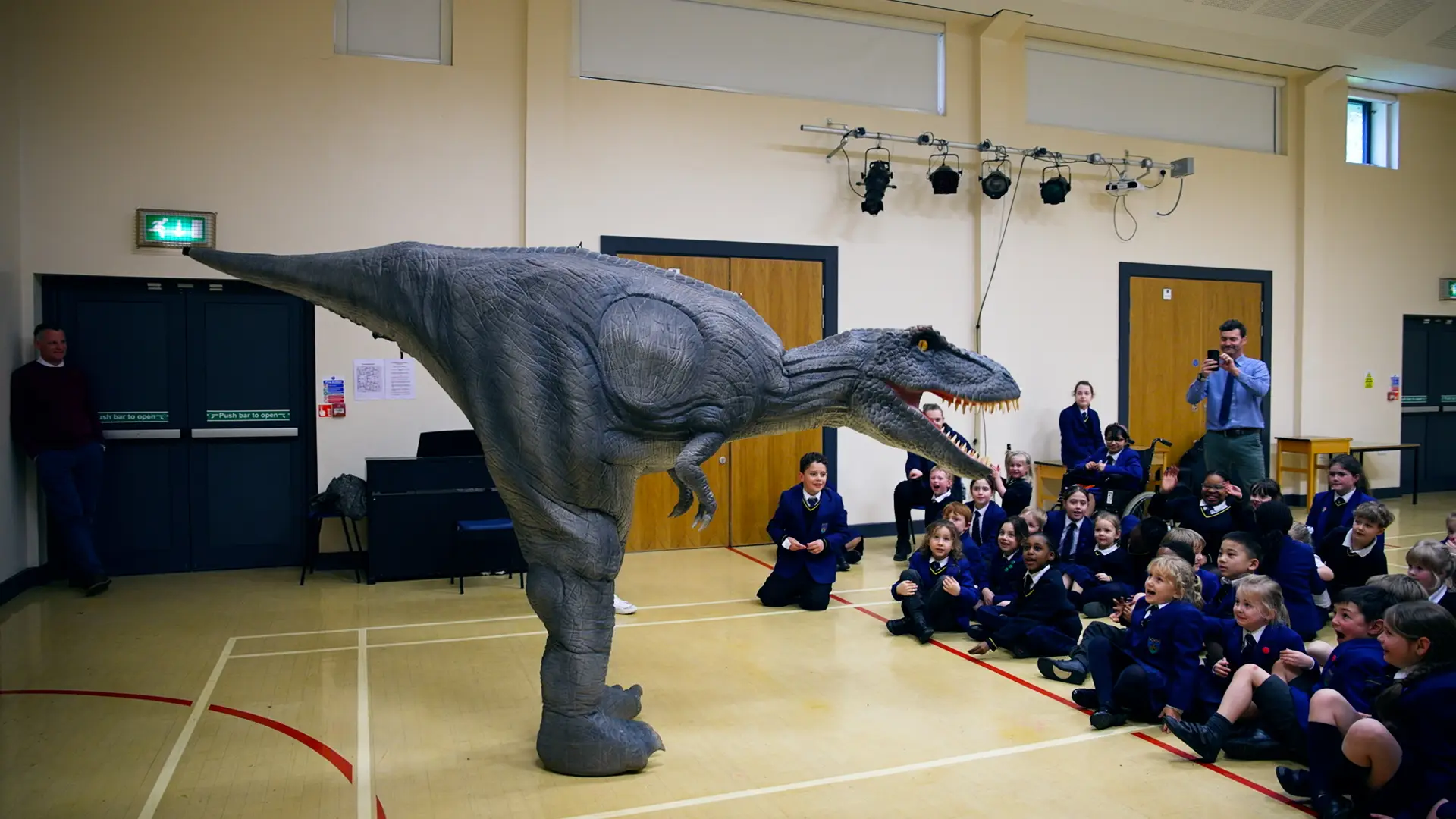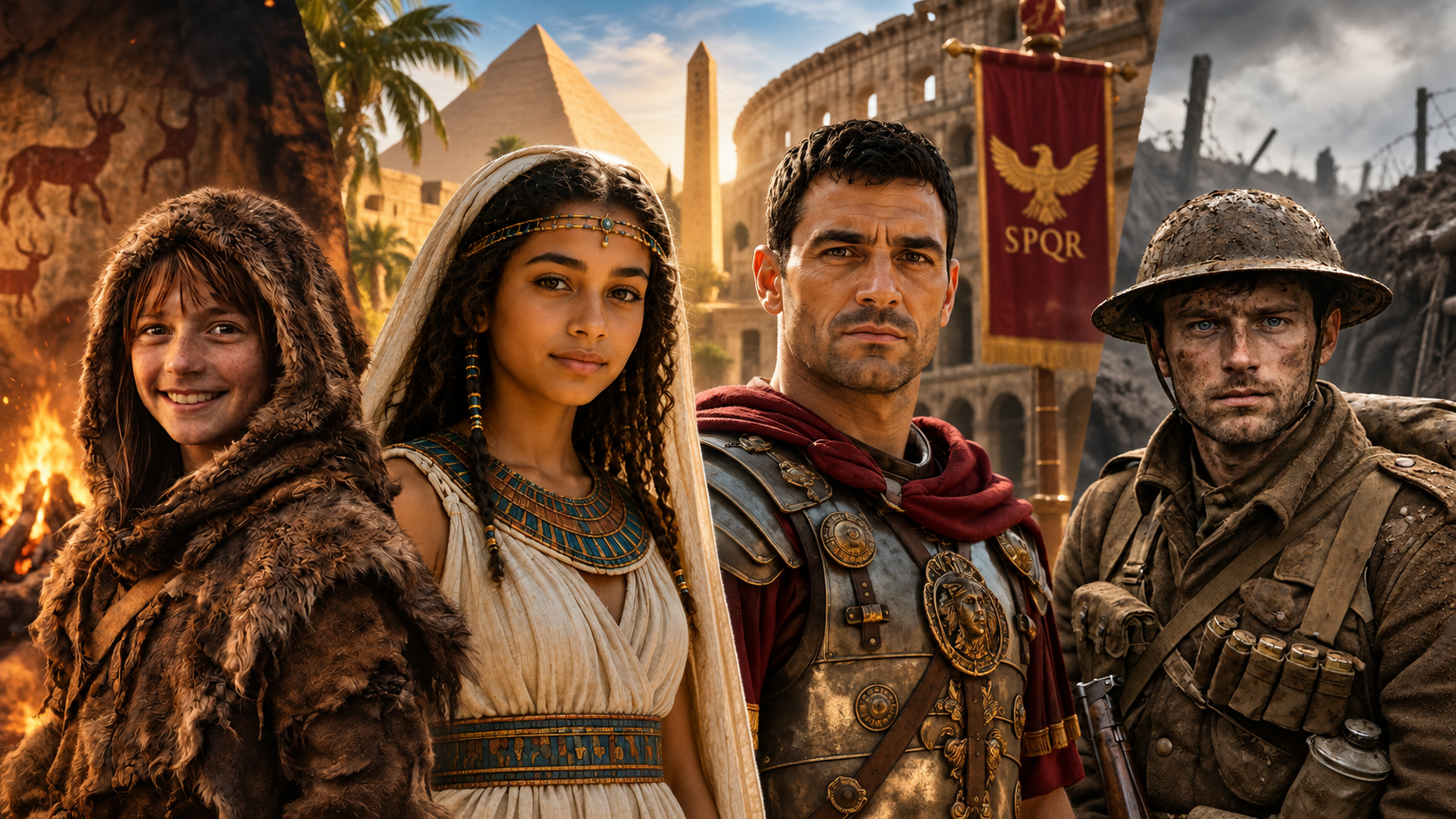
History doesn’t have to feel like dusty old books or tales from a time too far gone to care about. When taught in a meaningful way, it becomes a living subject full of real people, surprising decisions, and moments that shaped the world. Especially for primary school children, learning about the past should feel fresh, fun, and personal. When things come alive in front of them, it sticks. That spark of curiosity can grow into a lifelong interest, just from one lesson that took a different approach.
London is packed with historical stories on every street corner. From kings and queens to wartime secrets, the city offers a backdrop like no other. But visiting local landmarks is just the start. With the right tools and approaches, you can turn your classroom into an adventure zone. It’s about finding ways to connect young minds to the people and moments that brought us to where we are today. Whether that’s through stepping back into the Blitz or solving robberies with forensic science, history doesn’t need to stay stuck in the past.
Utilise Local Historical Sites for Interactive Learning
Very few cities have the kind of historical richness that London has to offer. The challenge isn’t finding something to teach about, it’s deciding where to start. Local landmarks can turn lessons into powerful learning moments, giving pupils the chance to physically place themselves in the footsteps of those who came before.
Some top picks for hands-on historic experiences in London include:
1. Tower of London – explore royal history, tales of prisoners, and age-old customs.
2. British Museum – discover artefacts from thousands of years ago and learn about ancient cultures.
3. Churchill War Rooms – delve into the heart of World War II and see where secret war strategies were made.
These visits offer more than excitement. They give children the chance to understand the depth and human stories behind historical events. Being out in the city makes it all more relevant and engaging.
Turn a field trip into a learning journey by prepping students ahead of time. For example, ask them to research a figure from the time period and write a diary entry as if they lived in that era. On the visit, they can look for links between their research and what they see. Follow it with a creative task like drawing, writing a fictional journal, or even acting out what they learned.
Scavenger hunts also work well. Build a checklist of features or items to spot during the visit, from statues to artefacts. This keeps students focused while satisfying their natural curiosity.
Back in the classroom, open up discussions to help reinforce learning. Questions like “What surprised you?”, “What would you have done in that situation?”, or “What does this remind you of today?” build stronger connections and leave a lasting impression.
Integrate Augmented Reality and Virtual Reality
While field trips are exciting, you don’t need to leave school to give children memorable historical experiences. Virtual and Augmented Reality can bring history into the classroom in ways that standard textbooks never could.
With VR and AR, pupils can step inside ancient cities, visit Apollo missions, or explore a plague-era hospital. These digital tools help children see and feel history in a new way, encouraging active learning and deeper understanding.
Examples include:
1. Enter 3D-rendered landmarks from different eras and observe them up close.
2. View historical reenactments from a first-person perspective.
3. Explore artefacts that are usually locked away or no longer exist.
4. Compare past lifestyles and environments with modern ones to spark discussion.
Giant Journeys’ Human Body VR Journey and Space VR Journey can also be expanded to include historical themes. For instance, when learning about medicine through history, students can interact with models of old surgical tools or compare ancient knowledge to modern-day medical breakthroughs.
Using technology to support traditional lessons helps children of different learning styles to engage more easily. It gives quieter students a more comfortable way to absorb information, often boosting confidence and participation.
Hands-On Workshops and Projects
Students are far more engaged when they’re building, solving, or creating. Workshops that involve active participation do more than just keep attention—they help pupils understand and remember what they’ve learned.
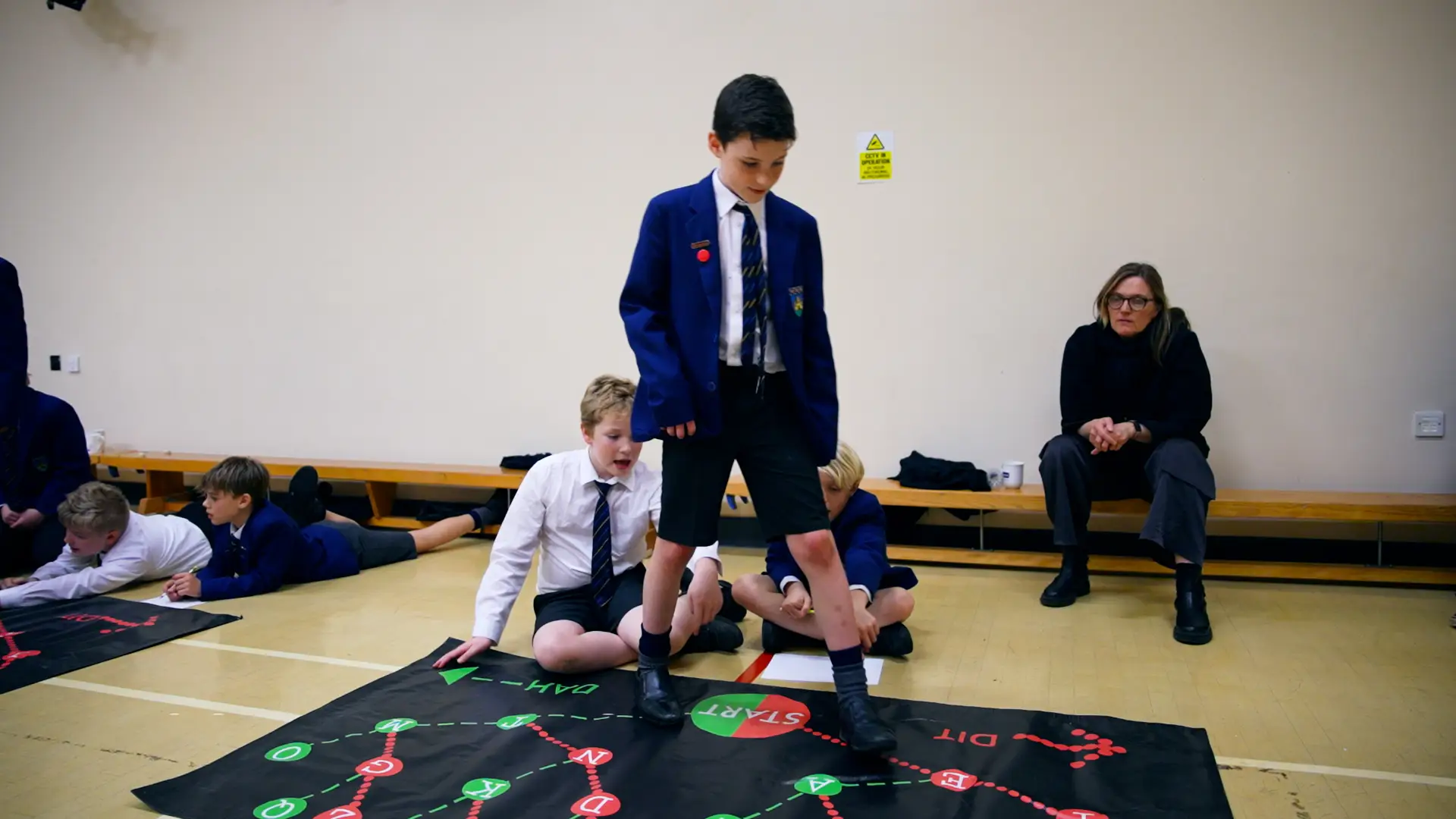
Sessions like the CSI Journey and WW2 Codebreaking Journey combine historical content with investigative tasks, encouraging young learners to think critically and work as a team. These combine history with science, observation, and creativity.
Activity ideas include:
1. Build time capsules filled with letters, drawings, or small objects that reflect their current world.
2. Create models of historical artefacts like ancient coins, jewellery, or weapons using everyday materials.
3. Design comic strips or posters that explain historical events, with captions and illustrations.
Older primary school students especially enjoy role-based projects. Workshops based on World War II or London’s early development can include replica maps, ration books, and family interviews. Adding in historical evidence makes the experience feel more authentic.
Wrap up projects with a presentation day where students share their work. This encourages them to take ownership of what they’ve created while reinforcing new knowledge under friendly peer pressure.
Encourage Historical Role-Playing and Reenactments
Young learners often respond best when they can put themselves in someone else’s shoes. Role-playing lets them explore what life might have been like for people in different periods, deepening empathy and curiosity.
Reenactments don’t need to be full productions. A short scene with a few props or costumes can be just as effective. Try hosting a simulation of a school lesson during the Victorian era, a Roman marketplace exchange, or an evacuation drill from the 1940s.
Some role-playing options include:
1. Assign roles from a key event, like signing a treaty or preparing for a sea voyage.
2. Act out scripted scenes and then let students improvise new endings or responses.
3. Conduct mock interviews where a student plays a historical character and classmates ask them questions.
This sort of activity builds language skills, memory skills, and emotional understanding. It also tends to engage students who aren’t always the first to raise their hand, helping all pupils find a way to connect with the topic.
Most importantly, it helps them move beyond names and dates. They start to think about what people were truly going through and why they made the choices they did.
History That Stays with Them
Helping children see the past as something meaningful and alive is the goal of every good lesson. Through primary school workshops in London that encourage active learning, it becomes easier for students to relate to the people and events that came before them.
Combining visits to some of London’s most iconic landmarks with interactive tools like VR or AR creates an opportunity for every child to find something that speaks to them. When those moments are paired with hands-on tasks or class reenactments, history stops being a subject and becomes a story they are part of.
By approaching history with creativity, technology, and curiosity, we help students not only remember information, but understand its context. They begin recognising how history shapes their lives, their community, and even their futures. Most importantly, they walk away not just knowing about the past, but caring about it.
Explore the world of interactive learning with Giant Journeys’ exciting range of primary school workshops, where young minds turn historical topics into unforgettable adventures. Our carefully crafted experiences blend hands-on activities with innovative techniques to spark curiosity and keep students engaged. Dive into a journey that transforms traditional learning into something truly memorable and meaningful for your pupils.