
Cross-curricular projects offer a fresh way for students to learn by combining subjects that traditionally exist in separate parts of the school day. Blending English, History, and Science allows pupils to look at familiar topics from different angles, helping deepen their understanding and improve engagement. Instead of memorising facts, they see how concepts link together to form a bigger picture.
These types of projects give pupils a chance to explore topics in a more personal and practical way. They go beyond textbooks to create stories, discuss discoveries, and work on creative tasks that feel meaningful. When different subjects come together, learning becomes richer and more enjoyable. Students learn how to solve problems, communicate clearly, and connect ideas that might not seem related at first. This kind of learning helps set them up for real-world success.
Project Idea: Historical Diary Entries
A great way to help students connect English, History, and Science is by asking them to write diary entries from a different time in history. They can pretend to be a real historical figure, a made-up character, or even an everyday person living through a key event. Whether they choose the Victorian era, the Space Race, or the ancient world, they’ll need to learn about the time period and its major scientific discoveries.
Students explore who their character is, what’s happening around them, and how these historical moments affect daily life. Maybe they’re an inventor writing about the steam engine’s impact, or a young apprentice excited by the discovery of electricity. This kind of writing helps them better understand the struggles, hopes, and ideas of the past, while also giving insight into scientific advancements relevant to that time.
As they write, students practise creative and factual writing at the same time. They need to research real events and add historical and scientific context to their diary entries. It helps build empathy, encourages curiosity, and boosts both writing and thinking skills. It also shows them how technological progress shaped how people lived in different periods.
Project Idea: Time Traveller’s Scrapbook
Creating a time traveller’s scrapbook brings history to life through storytelling and science. Students imagine they’re travelling to various times and places, and each scrapbook page becomes a snapshot of their adventure. They can include drawings, photos, short stories, maps, or even imagined souvenirs that represent their journey.
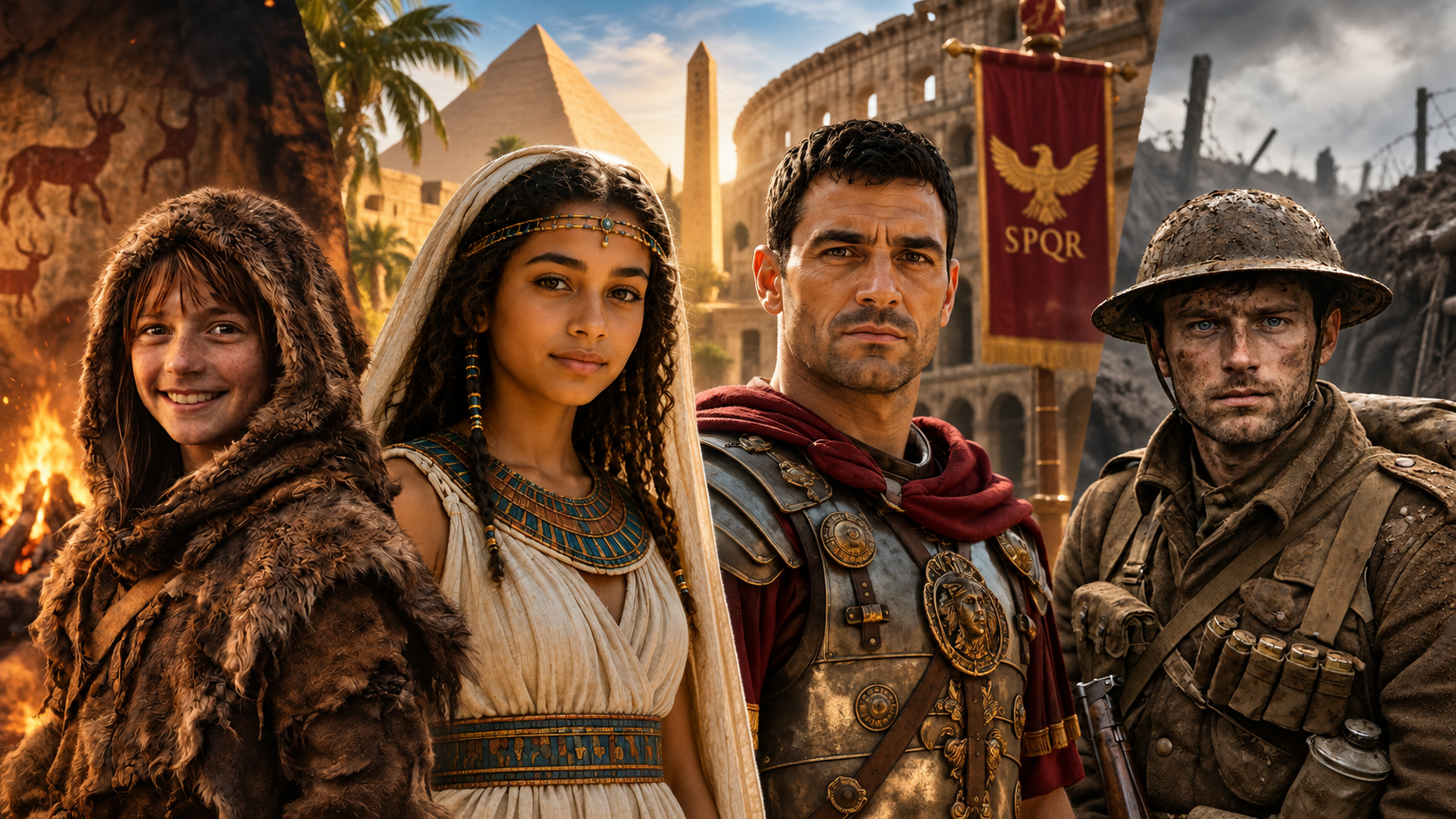
Each section of the scrapbook can spotlight an era like ancient Egypt, wartime Britain, or the invention-filled 1800s. They describe what they see, who they meet, and how science has shaped their surroundings. A trip to the early 20th century might include a sketch of the early motor car and notes on how it changed transport. A stop in the Neolithic age could show how farming tools began to develop.
Students add scientific discoveries relevant to each visit, helping them understand how science changes the way people live, work, and solve problems. These discoveries can be explained through fun facts or reflections inside their stories. This project is a creative way for learners to apply writing talents while exploring how historical life and science grew together.
Project Idea: Science and History Fair
A science and history fair is a hands-on group project that lets pupils present what they’ve learned in exciting and creative ways. The fair could focus on one big theme or era, like the Industrial Revolution or exploration and discovery. Each group can pick a specific topic, prepare a small exhibit, and take time to explain it to an audience.
Teams research how a scientific discovery or invention changed the world at that time. Projects could range from the printing press to early space travel. They write short reports, design visuals, and practise presenting their ideas clearly. This gives them a chance to develop their writing and public speaking skills.
To make it more exciting, students can build models, set up experiments, or act out short role-plays. Maybe they demonstrate how a waterwheel works, or how ancient tools were used in early farming. This helps students understand both science and history by putting them into action. It lets them show their creativity, share knowledge, and build confidence.
Project Idea: Historical Fiction with a Scientific Twist
Writing historical fiction with science built into the story combines creativity with research. Students pick a setting from the past, create characters, and craft a compelling story. While doing so, they include accurate science details, like real discoveries, tools, or theories from that period.
A story might be set during the Scientific Revolution, with a character who meets Isaac Newton and learns about gravity. Another could take place in ancient Greece, where the protagonist watches Archimedes experiment in water. The goal is to tell a good story that also reflects real science from the chosen era.
This project encourages students to look beyond surface details. They consider how people thought, what tools they had, and how they explained the world around them. It helps build a strong sense of time and place, and lets students explore how ideas develop through trial, error, and imagination. These stories can be shared aloud or read during classroom presentations, adding a performing arts element as well.
Bringing Projects to Life with Interactive History Workshops
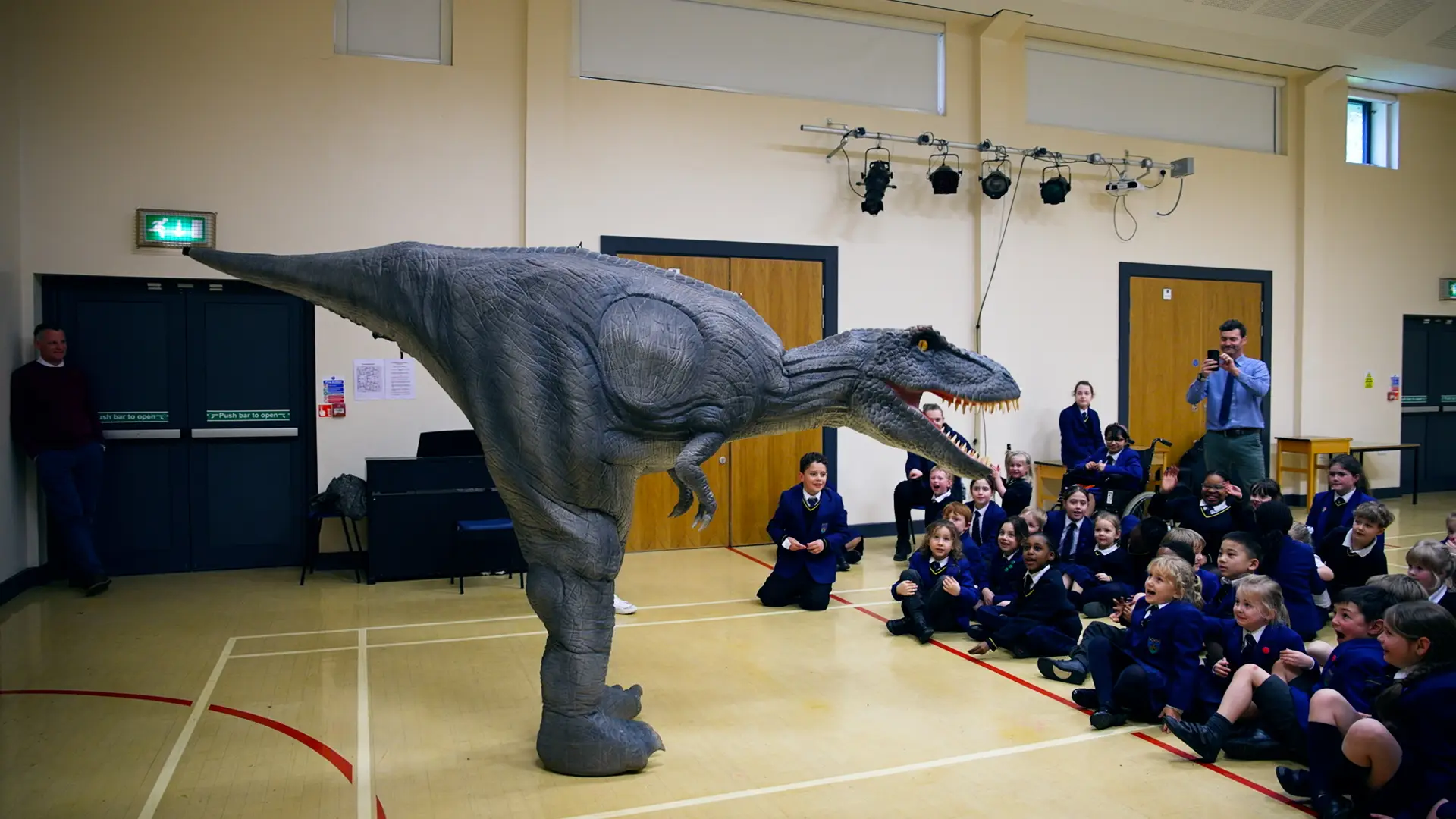
Projects like these really come alive when supported by immersive, hands-on experiences. That’s where interactive history workshops can play a big part. Instead of reading about historical events, students take part in them. They might role-play a Roman soldier, take part in a medieval market, or experiment with inventions from the early modern era.
Workshops provided by experienced educators like those at Giant Journeys add new energy to the classroom. By using tools such as augmented reality or physical replicas of historical artefacts, they help students understand how people lived, explored, and discovered in the past. These sessions give young learners the chance to actively experience life from hundreds or even thousands of years ago.
When these workshops are combined with classroom projects, they give extra depth and excitement. Students return to their projects with new knowledge and fresh perspectives, ready to add rich detail and context to their work. It turns learning into something they remember not just for exams, but for life.
Embarking on these educational projects can deeply enrich students’ understanding of how history and science are connected, bringing learning to life. If you’re eager to transform student experiences, discover how Giant Journeys can help through our engaging interactive history workshops.