Science can sometimes feel like a collection of facts and formulas, especially to younger learners. But when it’s brought to life through exciting activities and real-world examples, it quickly becomes one of the most captivating subjects at school. Children are naturally curious, and when they get to explore how things work through hands-on discovery, they begin to look forward to science lessons.
Primary schools are embracing innovative learning experiences that boost engagement and support deeper understanding. Whether it’s building a DNA model or stepping into a virtual environment to explore the solar system, immersive science workshops are helping children learn in ways that truly stick. These workshops are reshaping how pupils experience STEM and are making it something they genuinely enjoy.
The Importance of Engaging STEM Education
STEM is more than just lab reports, equations or coding assignments. It gives us a way to understand the world and solve problems in meaningful ways. When STEM subjects are taught through interactive learning, they offer a path into creative thinking, collaboration and real-life application.
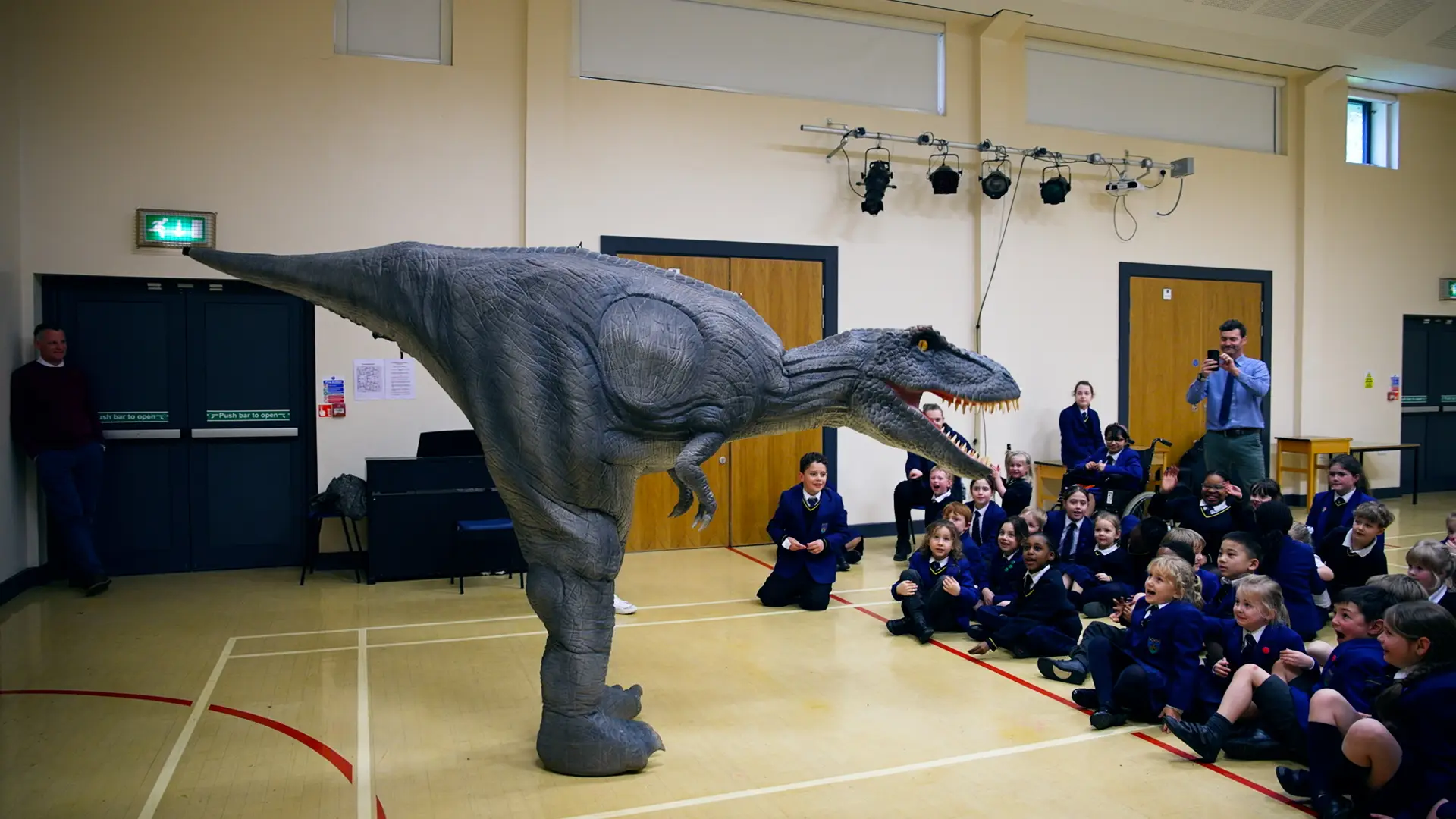
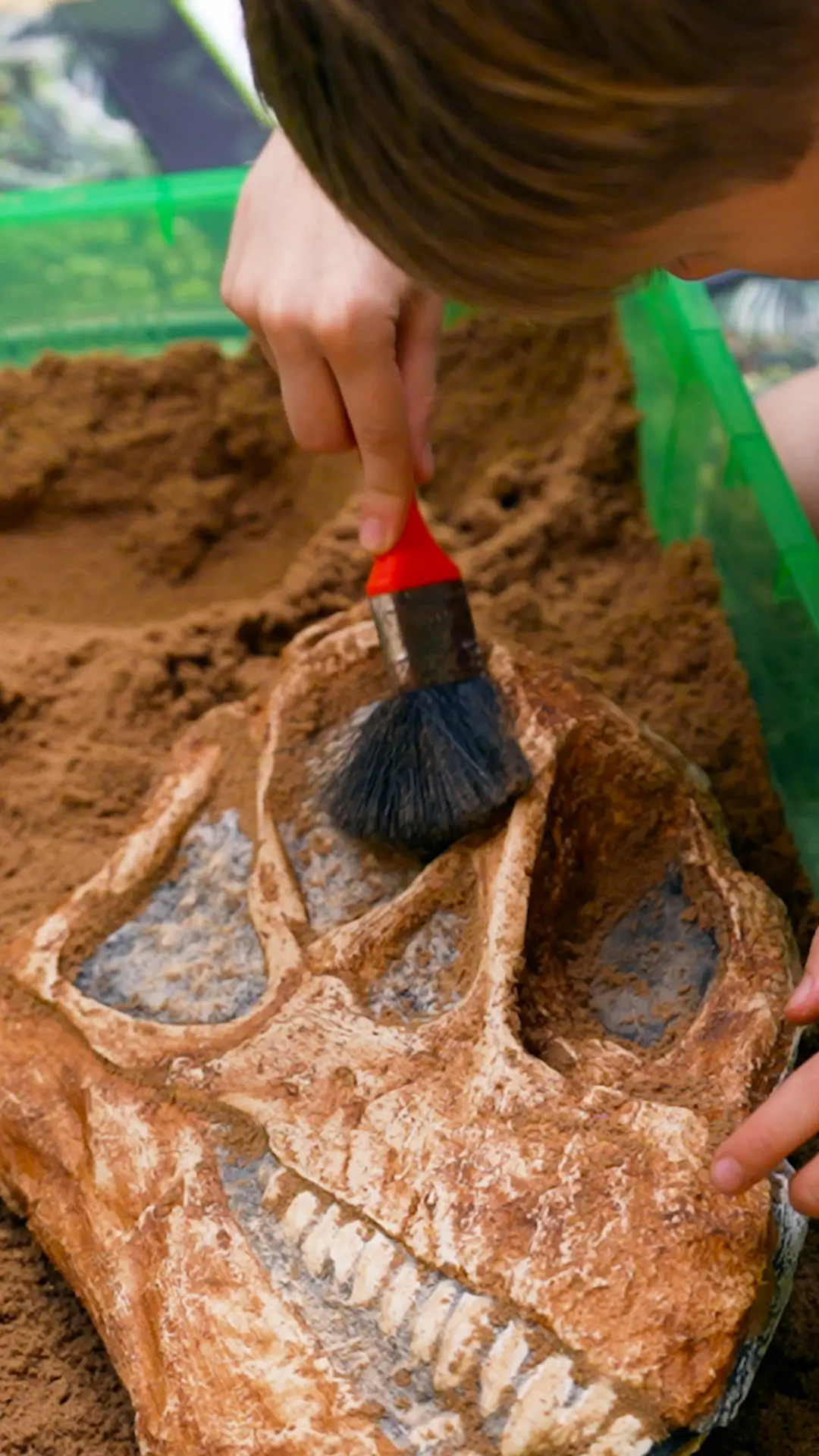
Primary school children benefit most when learning is active. For example, reading about fossils in a textbook can be informative, but doesn’t match the impact of actually uncovering a hidden dinosaur bone in a sandbox. That kind of tangible experience strengthens memory and helps children form meaningful connections with the scientific concepts they’re absorbing.
Engaging science education brings a number of advantages:
1. Encourages observation, recording and experimentation
2. Strengthens teamwork and communication
3. Supports visual and kinaesthetic learning
4. Makes abstract ideas more relatable and easier to grasp
When children get involved in scientific processes, they often show improved focus and participation. Rather than being told how forces or anatomy work, they get to see it played out in real-time activities or virtual simulations. This hands-on method doesn’t simplify the science. It presents it through different approaches so that every learner can find an entry point into the subject.
Overview of Giant Journeys’ STEM Workshops
Across England, Giant Journeys offers a range of hands-on science workshops tailored to primary school pupils. These aren’t just presentations or demonstrations. Each one is a full learning experience driven by action, discovery and thoughtful interaction. The workshops combine storytelling, physical activity and the latest in educational technology to inspire young scientists.
Here is a preview of what’s available:
1. CSI Journey
Pupils take on the role of forensic investigators and work together to solve the mystery of a stolen diamond. They collect fingerprints, footprints and fibre evidence while learning key concepts in biology and teamwork. The session feels like a crime drama, but it’s filled with science and critical thinking.
2. Jurassic Dig Journey
Perfect for younger explorers, this session involves digging for replicated fossils in sand trays. Children analyse their discoveries, match them to real-life creatures, and use augmented reality to see what these dinosaurs might have looked like when alive. It brings prehistoric science to life in a way that’s fun, memorable and age-appropriate.
3. Space VR Journey
Armed with virtual reality headsets, pupils travel through the solar system, exploring planets, moons and more. They get up close to the swirling storms of Jupiter or glide past the rings of Saturn, all without leaving the school hall. The immersive visuals help them grasp astronomical scale and build a lasting interest in space science.
4. Human Body VR Journey
This workshop focuses on biology in an exciting way. Students trace the path of oxygen through the body, observe digestion in action and even assemble a skeleton using interactive tools. VR technology makes it easy to see how different systems work together, giving students a well-rounded look at what makes them tick.
Each workshop is structured to be both fun and educational, aligning with curriculum goals while engaging students in active, collaborative learning. They can be adjusted to suit different year groups and abilities, creating an inclusive experience in every classroom.
Bringing STEM Workshops to UK Primary Schools
Introducing STEM workshops in primary schools is simple and convenient. Each session is designed to seamlessly integrate with existing timetables, helping minimise classroom disruption. Schools don’t need to provide special equipment or technical support – everything is brought in and managed from start to finish by the workshop team.
Teachers are encouraged to either take part or observe, allowing them to see how their pupils respond to different learning environments. It’s common for educators to gain fresh insights into student strengths and group dynamics just by watching the session unfold.
Another key strength is flexibility. Whether you’re teaching Year 2 pupils with a love of animals or Year 6 students exploring genetics, the sessions can be tailored for content and ability. For instance:
– Younger students might benefit from sessions tied to Miniworlds or Fossil Digs
– Year 4 classes studying digestion can dive into the Human Body VR session
– Upper key stage pupils can explore Space VR or the fast-paced CSI challenge
Workshops can also be used to support standout moments in the school calendar, including National Science Week, themed learning blocks, or enrichment days. Because each workshop runs one class at a time, every student gets a turn, and no one is left sitting on the sidelines.
Real-Life Impact: Transforming Science Education
A room of engaged children isn’t always loud, but it is full of energy, conversation and excitement. When science lessons include discovery, movement and challenge, they inspire young learners to think differently about the world around them.
One teacher in Manchester noted how a Year 6 group transformed when given a chance to work through codebreaking activities. Usually quiet and hesitant, the class came alive, solving puzzles together and experimenting freely – all while learning about patterns, logic and reasoning. That’s the kind of engagement that changes how students see themselves as learners.
Immersive experiences help remove the barriers that often make science feel intimidating or distant. Instead of simply hearing that blood transports oxygen, students are able to follow it through the body in a virtual world. They understand not just the definition, but how it feels to interact with the concept.
Here’s what these kinds of workshops help develop:
1. Curiosity about the world and how it works
2. Openness to asking questions and testing ideas
3. Improved use of scientific vocabulary and tools
4. Confidence in working with peers through challenges
5. Recognition that science is all around them
These lessons don’t end once the session is over. Teachers often use them as a springboard into extended units or cross-curricular activities, tying the learning into writing tasks, presentations or further investigations. It gives science instruction a meaningful boost right when students need it most.
Creating Lifelong Interest in Science
Science shouldn’t feel unreachable or locked behind long definitions. When pupils get the chance to learn through activity, explore with curiosity and interact in real-time, the subject becomes theirs to enjoy. Science lessons become full of energy, laughter and discovery.
Schools in England now have access to a range of inspiring workshops that fit into their term schedules with minimal fuss. Whether students are unearthing fossils, exploring the planets, or navigating the systems of the human body through VR, these workshops are driven by a clear goal: making learning exciting and memorable.
Booking is straightforward, with sessions fitting easily into school halls or classrooms. Programmes are designed to be inclusive, engaging and aligned with your learning goals. Teachers are supported every step of the way, and pupils come away with experiences they won’t forget.
Science is full of questions, movement and wonder. When students are given the tools and space to explore for themselves, that wonder grows. That’s exactly what these workshops aim to spark, right here in UK Primary Schools.
Transform the learning experience for your students with our school science workshops. At Giant Journeys, we provide interactive learning sessions that excite and engage, using technologies like Virtual Reality and Augmented Reality. Dive into our unique offerings designed to inspire young minds and enhance their understanding of the world. Equip your school with the tools to bring subjects to life and ignite a passion for discovery. Explore how we can support your curriculum needs and make education an adventure.