National Science Week offers an exciting opportunity to spark curiosity and wonder in young minds. It’s a time when primary schools across the UK can immerse students in the wonders of science through engaging activities. By focusing on interactive workshops, schools can transform a regular week into an unforgettable adventure of learning and discovery.
These workshops do more than just share facts. They bring subjects like biology, space, and palaeontology to life. When students see science in action, they’re more likely to understand it and enjoy it. Encouraging hands-on participation leads to deeper learning and lasting curiosity.
CSI Journey: Forensic Science Workshops
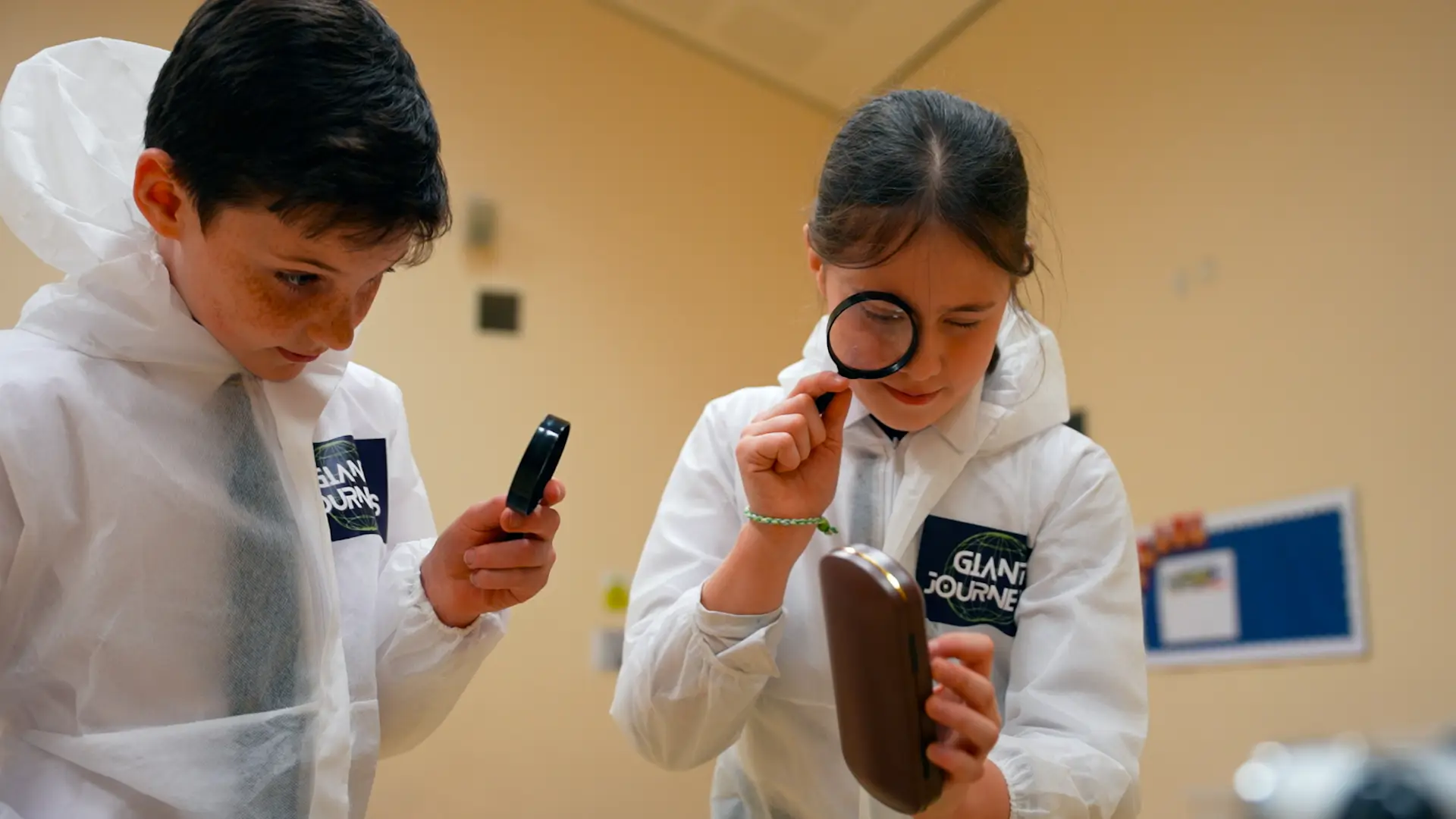
Forensic science captures the imagination, especially for students who like solving problems. The CSI Journey workshop lets children experience what it’s like to be a crime scene investigator.
1. Hands-on Activities
Pupils take part in practical activities that mimic real investigations. They learn fingerprint analysis, study DNA samples, and work with clues left behind at a mock crime scene. Each stage gives them a glimpse into how science and logic help solve mysteries.
2. Learning Outcomes
This workshop encourages more than just fun role play. Pupils sharpen their observation and reasoning skills while learning about biology and chemistry in an applied setting. It sparks discussion about real-life careers in science and boosts confidence in their problem-solving abilities.
Jurassic Dig Journey: Paleontology Workshops
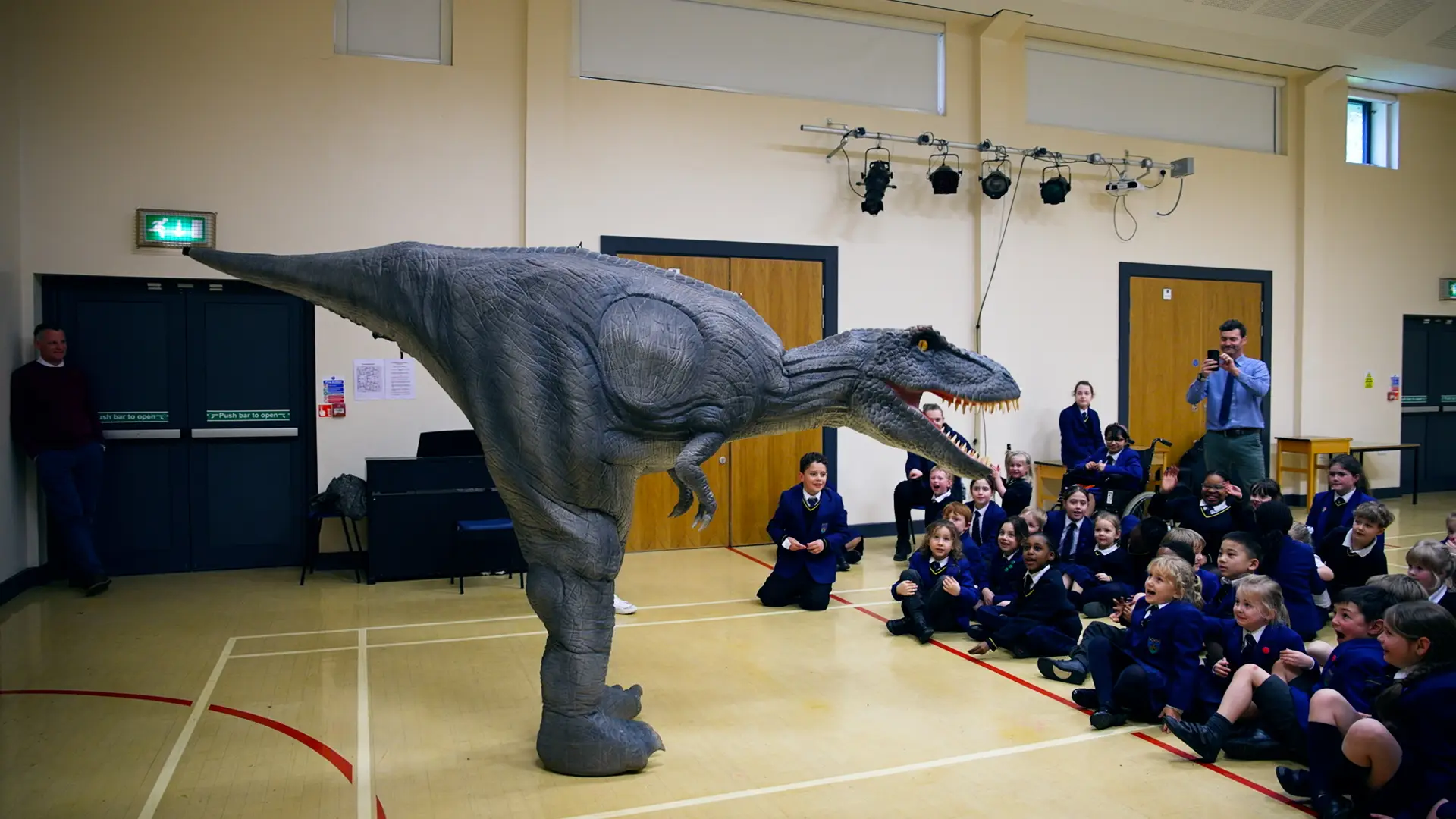
Dinosaurs never go out of style, especially in a classroom full of curious kids. The Jurassic Dig Journey taps into that natural interest and builds a hands-on learning experience around it.
1. Exploring Paleontology
Children become young palaeontologists, learning what life was like millions of years ago. They take part in fossil digs, piece together dinosaur skeletons, and learn how scientists use clues from the past to make discoveries.
2. Educational Fun
This workshop doesn’t just fuel interest in dinosaurs. It helps students understand scientific methods, explore evolution, and develop good questioning habits. It’s a great way to make science feel like an exciting puzzle filled with stories from the past.
By combining sensory exploration with science, this experience offers a unique way to learn both history and biology through discovery.
Human Body Journey: Virtual and Augmented Reality
Learning about the human body often involves textbooks and diagrams, but our Human Body Journey changes all that with a fully interactive VR and AR experience.
1. Immersive Learning
Using Virtual and Augmented Reality, pupils take a virtual tour through their own bodies. They interact with organs in 3D, see how blood moves through the heart, or follow the journey of oxygen through the lungs. It instantly makes the complex more understandable.
2. Impact on Learning
This approach helps students visualise processes that are usually invisible. It strengthens understanding of key biology topics and holds attention in a way that traditional lessons don’t always achieve. It inspires questions and gives space for meaningful discussions about how the body functions.
By combining fun with science, these sessions help students connect deeper with biology.
Journey Through Space: VR Workshops
The wonders of outer space offer endless inspiration. Our Journey Through Space VR workshop builds on that excitement with fully immersive learning.
1. Virtual Spacewalks
Children get to experience planet exploration, float through virtual space stations, and observe the solar system from beyond the Earth. These spacewalks let them interact with stars, planets, and moons as if they were astronauts themselves.
2. Educational Benefits
This workshop helps explain the scale and layout of the universe in ways that are easy to understand. Concepts like gravity, orbits, and planetary order become more solid when students can experience them visually. It builds interest in astronomy, physics, and space technology, all while encouraging them to ask meaningful scientific questions.
Miniworlds and Under the Sea VR Journeys
Nature, both big and small, is packed with exploration potential. These two immersive journeys introduce students to often overlooked parts of our world, using VR to open their eyes to detail and beauty.
1. Ecosystem Exploration
In the Miniworlds VR Journey, students examine insects, soil creatures, and plant life close up. In the Under the Sea workshop, pupils swim through coral reefs, meet marine animals, and explore shipwrecks from the safety of the classroom.
2. Engaging Activities
Each digital journey helps students identify species and understand their role in different ecosystems. It builds awareness of biodiversity and introduces environmental topics like pollution and conservation in a soft and fascinating way.
These experiences help them see themselves as part of a larger world, one worth understanding and taking care of.
Making Science Week Unforgettable
Bringing interactive workshops into schools during National Science Week does more than just fill a timetable. It brings science to life, offers students exciting ways to learn, and helps teachers deliver lasting knowledge through experiences they’ll remember.
From digging up fossils to walking through space, these journeys are more than lessons. They are pathways to curiosity, confidence, and deeper thinking. Students begin to see science not as something locked away in books, but as something they can touch, explore, and enjoy.
When classrooms turn into detective labs or space stations, and peers become paleontologists or explorers, learning sticks. Using both technology and storytelling, these workshops help create memories that go beyond the classroom and build a new way of looking at the world. That’s what makes Science Week truly special.
For schools in the UK eager to amplify their National Science Week experience, our educational workshops offer an exceptional way to engage students. Giant Journeys brings a variety of immersive sessions to life, capturing imaginations and fuelling a passion for learning. Discover more about our educational workshops in the UK and see how we can inspire your students to embark on a thrilling adventure into the world of science and history.