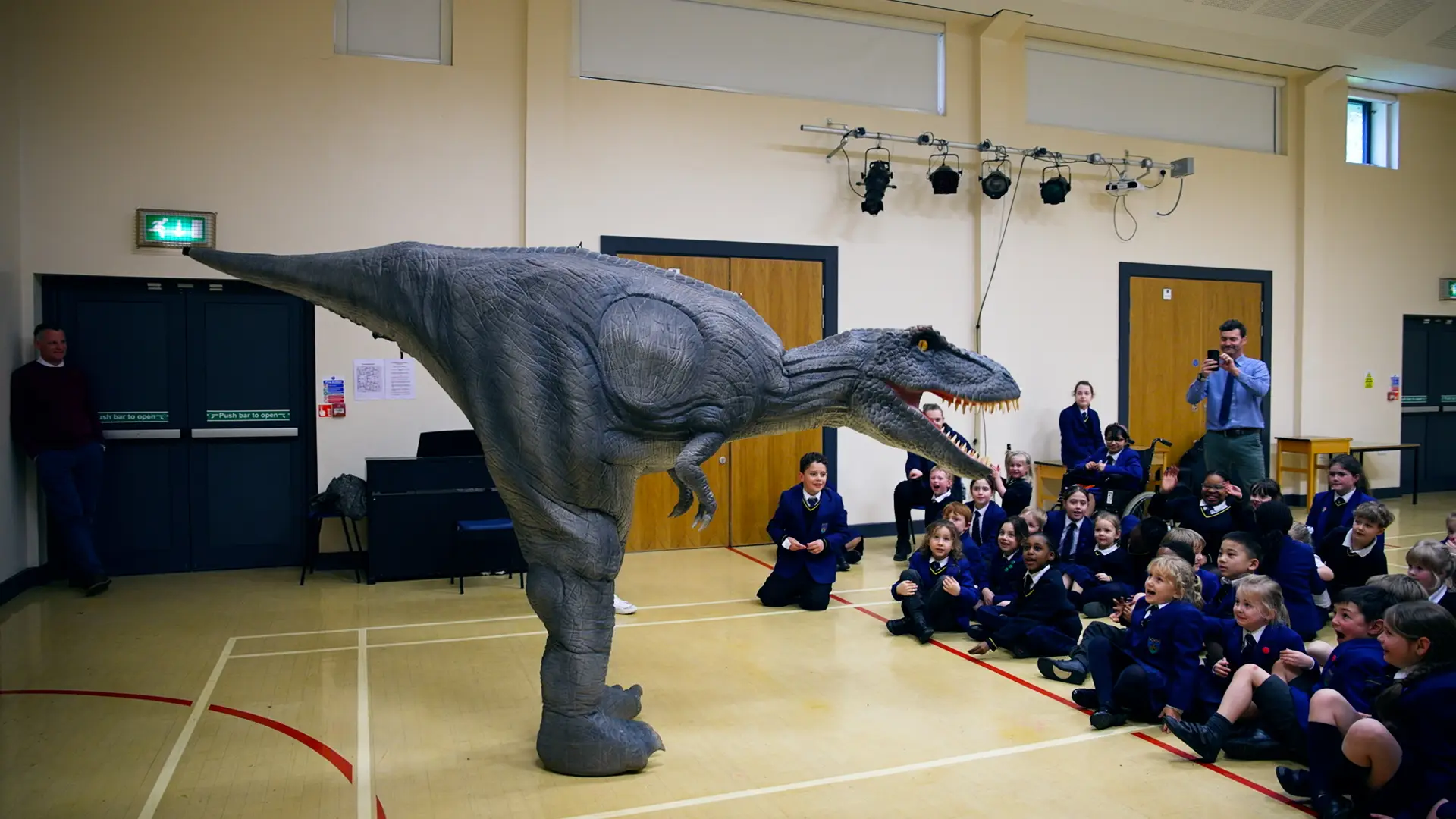

STEM activities can completely change how young learners see science, technology, engineering and maths. They don’t just help tick off curriculum goals—they open up new ways for children to think, explore and ask questions. The hands-on aspect helps students connect ideas to real-life situations they can see or feel, which often sticks with them longer than learning from a textbook.
Planning STEM activities takes a bit more thought than booking a typical school event. Each school has different needs, structures and students. Every workshop varies in style, with some focused on physical interaction and others using immersive technology. If you’re the one choosing what’s best for your pupils, this guide will walk you through what to consider before adding anything to the calendar.
Understanding Your Needs
Before deciding on workshop titles or formats, it’s worth setting clear objectives. Ask yourself what outcomes you want your students to gain from the STEM activity. Is it about generating new excitement around science? Supporting topics already being taught in class? Or encouraging teamwork and creative thinking in a specific year group?
Here are some helpful questions to guide your planning:
1. Which topics have students struggled with recently that a hands-on session could make more accessible?
2. Does your group respond better to story-led sessions or more deep-dive scientific explorations?
3. Do any pupils require additional support, and would a workshop tailored for mixed abilities be beneficial?
4. What are the age and ability levels? Some sessions are better suited to KS1 learners, while others align more with KS2.
Timing within the school year is also important. A high-energy activity at the start of term can spark interest in a new subject. Meanwhile, end-of-year dates lend themselves to creative or exploratory workshops that recap what has already been covered.
For first-time bookings, start small. Trial an experience with one class, assess the outcome and expand from there. One-size never fits all in education, so trying a single session first helps tailor future events to your specific school environment.
Evaluating Workshop Providers
After defining your goals, the next task is choosing a workshop provider who can deliver the right experience. Not all providers offer the same value or type of session, so it’s smart to take time exploring your options.
Key things to look into:
1. Does the provider’s teaching style fit your school’s values and learning approach?
2. Who delivers the sessions? Ideally, presenters should have classroom experience as well as subject knowledge.
3. Will the content be adapted to suit specific age groups or curriculum goals?
Take note of the equipment and technology used. If you’re interested in bringing in tools like Virtual Reality or Augmented Reality, find out whether the provider supplies their own gear or relies on school resources. Don’t assume existing onsite tech will be compatible. A workshop partner prepared with their own setup keeps things simple on your end.
It also helps if the provider has experience working with a diverse range of schools. That’s a good indicator they can adapt their delivery quickly when needed—a valuable trait when planning events across multiple year groups.
Being clear about your needs from the start increases the chance your students will get the most out of the session.
Varieties of STEM Workshops
STEM workshops come in lots of styles, which makes it easier to find experiences that match your school’s goals, class interests and learning styles. Some focus strictly on science or computing, while others mix storytelling, physical activity and exploration to maintain engagement and reinforce memory.
A great workshop offers more than just facts. It invites students to step into a real or fictional challenge, where they need to investigate, attempt solutions and think together. For science-mystery lovers, a forensic science workshop is a strong option. Pupils use techniques like fingerprint comparison or examining DNA patterns to solve a staged crime at school.
Students interested in stories and problem-solving may enjoy codebreaking workshops, which combine logical thinking with history. With backgrounds like World War II, they explore old communication systems such as Morse code and learn how to crack coded messages.
Here are more examples of workshop types that could inspire your next school booking:
1. Forensic investigations involving mock crime scenes and analytical work
2. Dinosaur digs enhanced with Augmented Reality to deepen learning
3. Space adventure experiences where Virtual Reality helps students tour the solar system
4. Human biology workshops where students build organs or examine body systems through digital models
5. Mini beast journeys using VR to explore insect habitats and survival strategies
6. Sport-based STEM sessions linking the Olympics to geography, physics and biomechanics
7. Traditional dance workshops combined with storytelling to increase cultural awareness
What you choose should match your classroom’s energy and your curriculum’s aims—be it capturing attention, supporting teamwork or ending a term with an experience students will remember.
Practical Considerations
The day of delivery can make or break a great workshop. Sorting the logistics ahead of time allows both the students and the provider to get the most from the session.
Start by setting your budget. Some providers offer upgrades like longer workshops or immersive characters, which can add value but also affect costs. Knowing your budget in advance helps make smart decisions and may even open up the option of combining classes or applying for external STEM-related funding support.
Think through your available space. Bigger workshops usually need a school hall, especially if they involve floor-based setups or Virtual Reality zones. If access to this space is limited, let your provider know early. Many will offer ways to divide delivery by class or adapt equipment to smaller rooms.
Your pupils will also benefit from a short primer. Introducing them to the workshop a day before can raise interest and settle any nerves. It doesn’t have to be detailed—just enough to help them feel part of something different and fun. Teachers and teaching assistants should also be briefed on possible roles and expectations during the event.
Make a checklist of the following:
1. Confirm time slots for each class involved
2. Ask about clothing requirements (for example, trainers for movement-based sessions)
3. Plan where the facilitator can set up and how early they can arrive
4. Find out if activity sheets or follow-up tasks are provided for continued learning
After the workshop, take ten minutes for teacher feedback. What worked well? What could be improved? This helps refine future events and builds a bank of ideas for further STEM engagement.
Sparking Lifelong Interest
STEM sessions do far more than fill time on the calendar. They shape how young people approach science and technical challenges in everyday life. When students get the chance to ask questions, experiment or test theories in a safe, active environment, their relationship with learning changes.
A child who connects biology with a hands-on heart model may remember that lesson for years, while a student who solves a simulated crime might start to consider careers in science-based fields. These experiences can spark ambitions long before traditional career talks begin.
Workshops also offer subtle, lasting benefits such as improved collaboration, clearer communication, and perseverance through challenges. Whether it’s working in teams to uncover fossil evidence or navigating Virtual Reality explorations, these moments help young learners practise leadership and listening skills.
For visual and kinesthetic learners, this approach can transform how they see themselves academically. When a student who struggles with textbook tasks feels successful building organs or decoding ancient messages, it reinforces confidence and a sense of belonging in the STEM space.
What matters is not only the facts covered, but creating an environment where experimentation is welcomed, setbacks are part of the process and questions are encouraged.
Ready To Make a Booking?
There’s so much value in finding the right STEM activity for your school. By thinking through specific class needs, checking the strengths of potential providers and planning ahead for smooth delivery, you can offer a session that’s memorable in all the right ways.
A hands-on workshop can blend storytelling, science and teamwork in a way that gets students talking, thinking and rising to the challenge—sometimes all in one lesson.
Are you excited to transform your classroom into a hub of learning and curiosity? Let Giant Journeys guide you there. Explore how our unique school STEM activities can engage young minds through hands-on exploration. These activities spark interest, promote teamwork, and make concepts come alive. Join us in creating memorable educational experiences that inspire the next generation of thinkers.