The future of learning is here and it’s changing the way kids experience education. Virtual reality, or VR, is stepping into classrooms and transforming ordinary science lessons into thrilling adventures. Picture a place where young minds can travel to the depths of the ocean or the surface of Mars, all while sitting in the school hall. That’s the magic VR brings to science lessons, making complex topics not only understandable but genuinely exciting.
Teachers have always looked for creative ways to engage their students, especially when it comes to subjects like science. It’s not always easy to capture the imagination of young learners with just textbooks and lectures. This is where VR steps in, offering a fresh approach that caters to curious minds. With virtual reality, students don’t just learn about science, they experience it in an immersive way that words on a page typically can’t capture.
The Basics of Virtual Reality: What It Is and How It Works in the Classroom
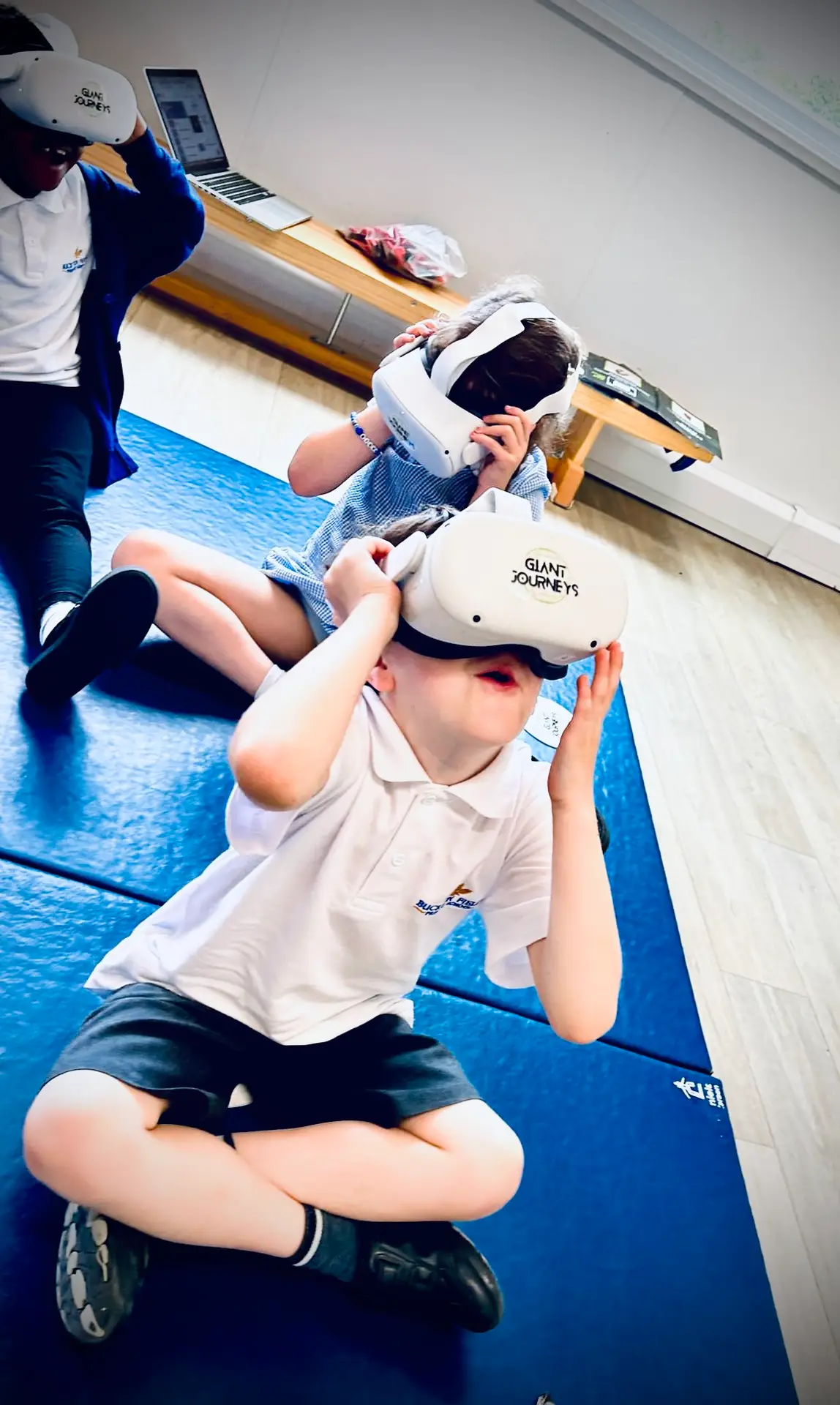
Before looking into how VR transforms lessons, it helps to understand what virtual reality actually is. At its core, VR is technology that creates the illusion of being somewhere else. With a lightweight headset and compatible software, it places the user inside a 3D environment where they can look around, move, and interact.
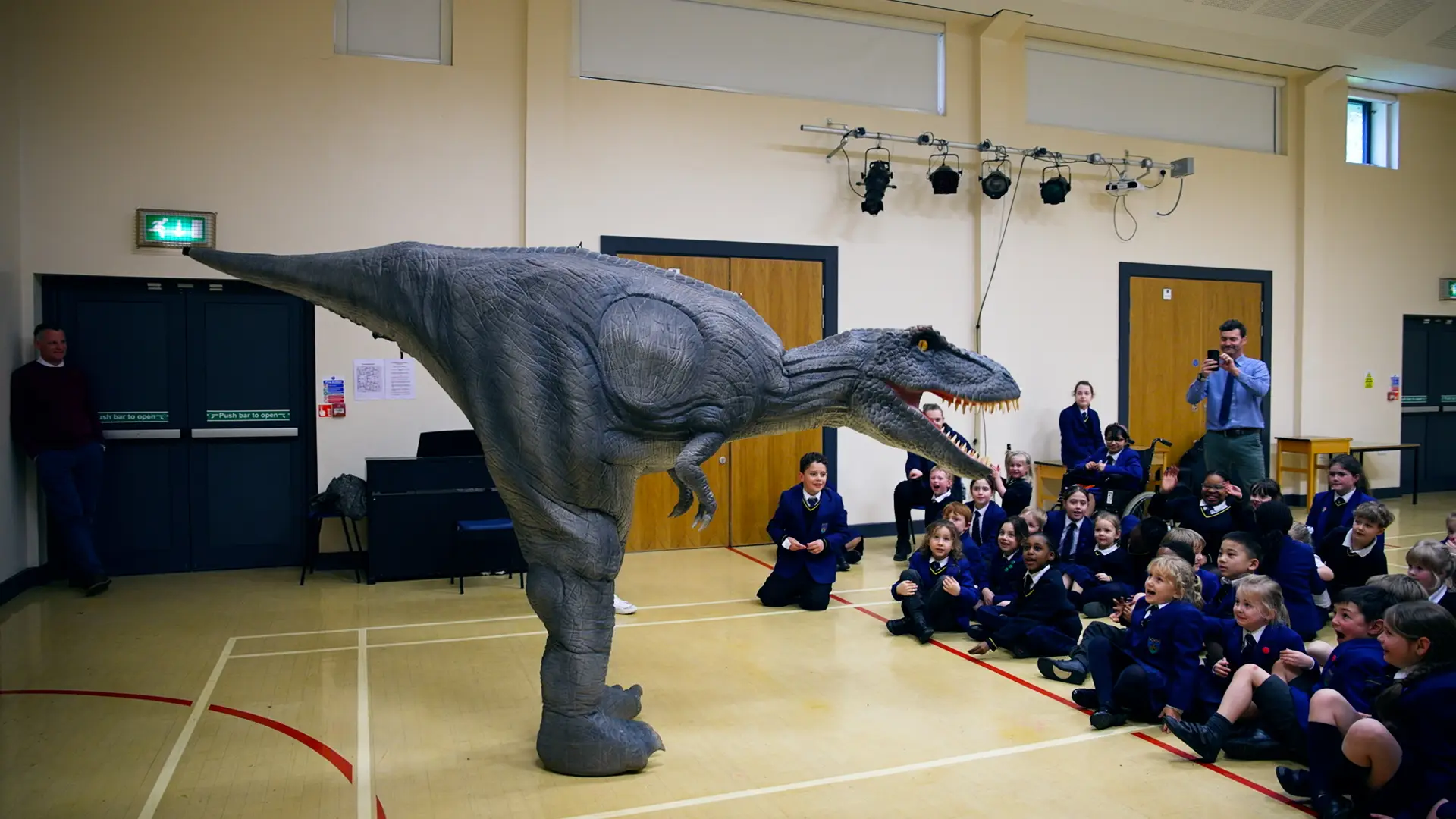
In a school setting, that could mean walking on the surface of the moon, standing next to a dinosaur, or watching clouds form from the inside of a storm system. The goal is to go far beyond imagination and let learners experience phenomena that would otherwise be out of reach.
Enhancing Engagement: How VR Makes Science Lessons Fun
One of the most exciting things about VR is how naturally it captures attention. Young learners are already curious by nature, and VR gives them a vivid, exciting way to explore that curiosity. Subjects that might usually feel dry or abstract suddenly become meaningful.
Here’s how VR helps pupils connect with science in a more vivid way:
1. Interactive exploration – Students can truly immerse themselves into environments.
2. A sense of presence – Instead of reading about the solar system, they can pilot a spaceship through it.
3. Motivation – Trying out new technology gets students excited and ready to learn, even in subjects they might usually avoid.
Students walk away from virtual experiences with images, movement, and emotions tied to what they just learned. That kind of engagement lasts longer and leads to better classroom discussions too.
Real-World Applications: Bringing Complex Science Concepts to Life
Science often involves ideas that are difficult to grasp without a strong visual or physical example. Telling students that blood gets pumped through veins or that tectonic plates shift can only go so far. VR gives teachers a way to turn these ideas into experiences.
Take the human body as an example. Instead of looking at a diagram of the heart, students can step inside one. They can watch as oxygen-rich cells pass through valves and vessels. Learners get to see processes as they happen, which strengthens both comprehension and memory.
Another big plus is that teachers don’t have to dramatically change how they currently teach. VR works best when it supports existing lesson plans. Whether it’s used to introduce new material, reinforce what’s already been covered, or stretch advanced learners with a more challenging environment, it adds extra value.
VR also makes it safer to explore topics that would otherwise be off-limits. Volcanoes, black holes, polar climates, or dangerous lab environments can now be studied in full detail without risk. That kind of accessibility levels the playing field and broadens what can be taught in a typical school session.
Practical Examples: Science Workshops Using Virtual Reality Technologies
Making lessons memorable is about more than the facts. It’s about helping students build personal connections with what they’re learning. Science workshops using virtual reality accomplish this in a variety of ways.
Workshops are structured, so they follow a set topic with clear learning outcomes. Teachers stay in charge, guiding the rhythm of the session, while students take turns exploring and asking questions. Some popular session themes include:
– Volcanoes – Observe eruptions, explore land formation, and follow lava flows.
– Space travel – Learn how orbit works by steering a ship through the solar system.
– Underwater ecosystems – Swim alongside marine life to explore biodiversity and coral reefs.
– Renewable energy – Understand wind, solar, and water power through interactive energy-building scenarios.
– Human anatomy – A tour through organs and systems to see functions in real action.
Sessions typically last between 45 and 60 minutes and are designed to fit into the school day. They work well with large or small groups and often get students talking even after the headsets come off.
These workshops also promote teamwork. Pupils might partner up to share headsets or lead each other around a virtual space. Talking through the experience encourages collaboration and often leads to better long-term memory of the topic.
Inspiring the Next Generation of Scientists with VR
When kids feel connected to what they’re learning, it sticks. Virtual reality sparks that connection by turning lessons into something active and memorable. The more students experience how science relates to their world, the more open they become to learning more.
Some go on to develop real interests in STEM subjects. Others simply grow more confident in their ability to understand tough topics. Either result is a win. The point isn’t to replace traditional teaching methods. It’s to support them, offering a new path for students who might struggle to connect with science through text alone. For teachers, it’s another tool in the toolbox that refreshes lessons and renews interest across the board.
Science should be more than facts and figures written on a board. When pupils live the concepts through virtual environments, it becomes much easier to visualise, question, and enjoy what they’re learning. And when learning becomes enjoyable, curiosity follows. By leaning into tech like VR, science starts to feel relevant. Kids begin to imagine themselves in these spaces, not just studying the content but being part of it. That shift can be the first step to a lifelong interest in subjects that shape our world.
To bring hands-on learning into your classroom in a way that sparks curiosity and builds real understanding, explore how Giant Journeys delivers engaging science workshops using virtual reality that connect with young learners and support your teaching goals.